
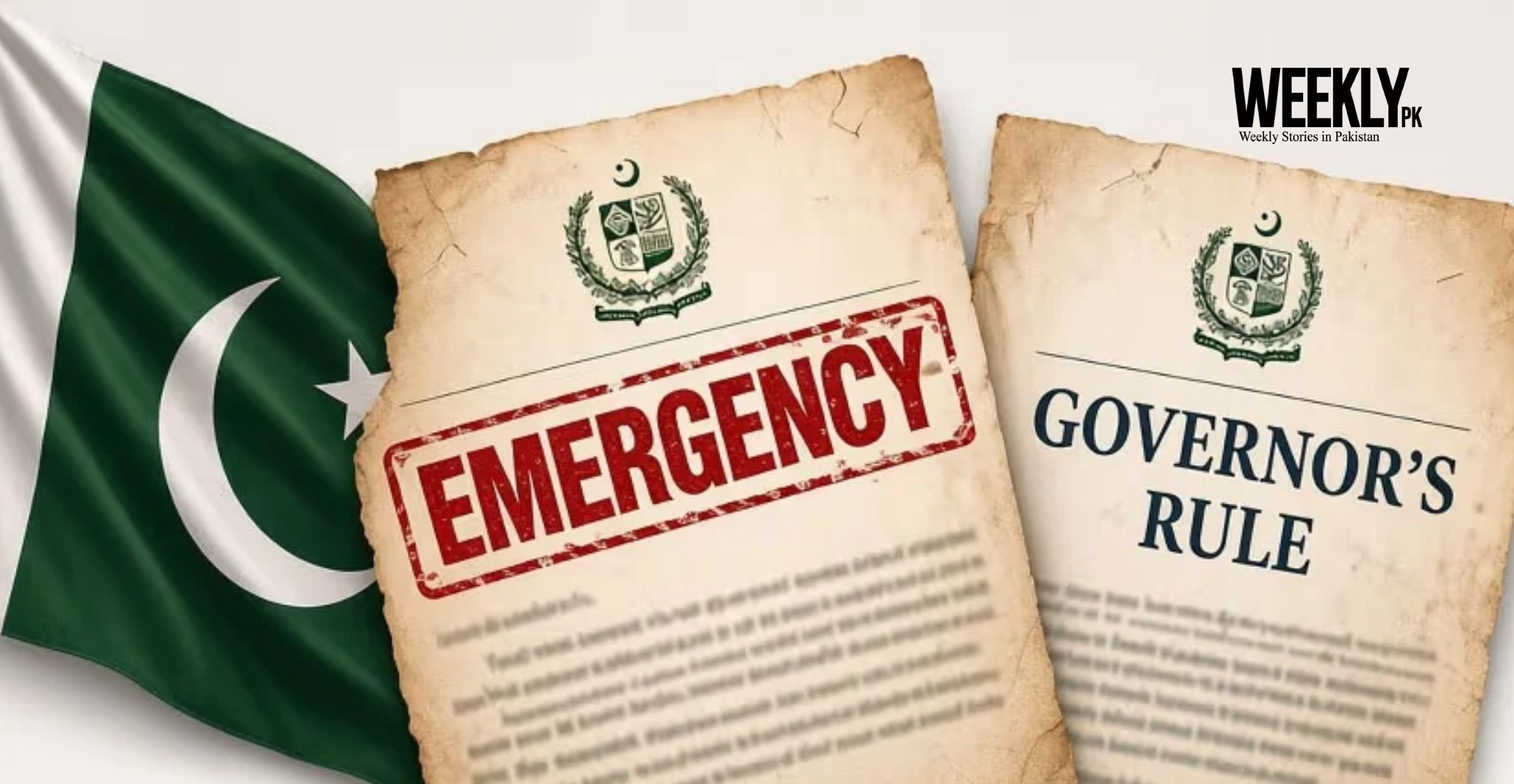
Parliament has completed its approval of the emergency and governor’s rule imposed in Khyber Pakhtunkhwa, with a joint sitting on Thursday backing the federal government’s move over the protests of PTI and other opposition lawmakers. The vote closes the first constitutional stage of one of the most contentious decisions of the year and shifts the argument to the courts and the streets.
The process moved quickly. President Asif Ali Zardari proclaimed the emergency under Article 232 and governor’s rule under Article 234 on Sunday, October 11, on the advice of Prime Minister Shehbaz Sharif. On Wednesday, the National Assembly debated the emergency for more than four hours before approving a resolution by majority vote, with Law Minister Azam Nazeer Tarar opening the discussion. The Senate followed within hours. Parliamentary Affairs Minister Tariq Fazal Chaudhry moved the resolution in the upper house, where PTI senators protested, tore copies of the resolution and walked out, and Senate Chairman Yousaf Raza Gilani put it to a vote in their absence.
On Thursday, the two houses met in a joint sitting to consider both proclamations. Opposition members arrived carrying placards reading “Emergency na manzoor,” meaning the emergency is unacceptable. Chaudhry first moved a motion to suspend certain provisions of the joint sitting rules, then introduced two resolutions, one on the emergency under Article 232 and one on governor’s rule under Article 234. Reports differ on the exact tallies, with some outlets reporting a 240 to 46 vote for one resolution and 214 to 56 for the other, and others attributing the 214 to 56 result to a procedural motion or to the combined measure. What is clear is that the PPP, PML-N and MQM-P voted in favour and the measures passed comfortably.
The government’s argument rests on security. Tarar told the National Assembly that the approach of the KP government to combating terrorism had become a threat to national security. The Centre has said the previous provincial administration had deliberately disengaged from the fight against militancy, and the prime minister has said the Centre had no choice but to impose governor’s rule. PPP Chairman Bilawal Bhutto Zardari said the federal government had tried its best to engage the opposition so that this step would not be needed, and that PTI could not deny its own role in creating the circumstances that led to it. His party confirmed ahead of the vote that it would support the governor’s rule resolution.
The opposition’s case is different. Leader of the Opposition Mehmood Khan Achakzai urged the government to reverse the emergency and warned that the next governor’s rule could come in Sindh, a remark aimed at lawmakers outside PTI who may see the precedent as a risk to every province. PTI-backed Senator Hamid Khan argued that there seemed to be other objectives behind the move, and alleged that talks between the government and the opposition before the decision were a drama staged to mislead the public. His colleague Humayun Mohmand pointed out that a government ally had predicted months ago that governor’s rule would be imposed. PTI Senator Zeeshan Khanzada accused the government of abducting Chief Minister Sohail Afridi, who has been rendered non-functional by the imposition of governor’s rule.
PTI Chairman Barrister Gohar Ali Khan has said he approached the National Assembly speaker to seek protection for the party’s parliamentarians, and has maintained that only Imran Khan has the authority to nominate a new chief minister, adding that Afridi will remain in the office for as long as the party’s founder wants. That position sets up a standoff over who legitimately leads the province, with the federal government treating the elected administration as suspended and PTI insisting that it still holds power.
Also Read: Centre Warns of Governor’s Rule as KP’s Afridi Refuses to Back Down on October 4 March
The legal fight has already begun. PTI has petitioned the Peshawar High Court to challenge the emergency and governor’s rule and to seek restoration of the elected government, and lawyers’ bodies have condemned the proclamation. The court’s response will matter, as will the arguments made about whether the conditions for Article 234 were met. Under the Constitution, governor’s rule approved by a joint sitting runs for an initial two months, can be extended by further approval of Parliament, and cannot last more than six months in total.
That timeline gives the political contest a clock. If the extension is needed, the government will have to return to Parliament in about two months with a case that the situation in the province requires it, and it will need the same coalition to hold. In the meantime, the governor and his advisory council will run the province’s affairs, with the army deployed in support of the civil administration.
The coming weeks will show whether the parliamentary endorsement ends the confrontation or merely moves it. Supporters of the decision will say Parliament has settled the constitutional question through institutions rather than marches. Critics will say that a vote cannot answer concerns about timing, process and the precedent it sets for provincial autonomy. Both arguments will be heard in court, in the assemblies and on the streets for some time to come.
Compiled by the Weekly PK Islamabad Political Desk.
Leave a Reply