
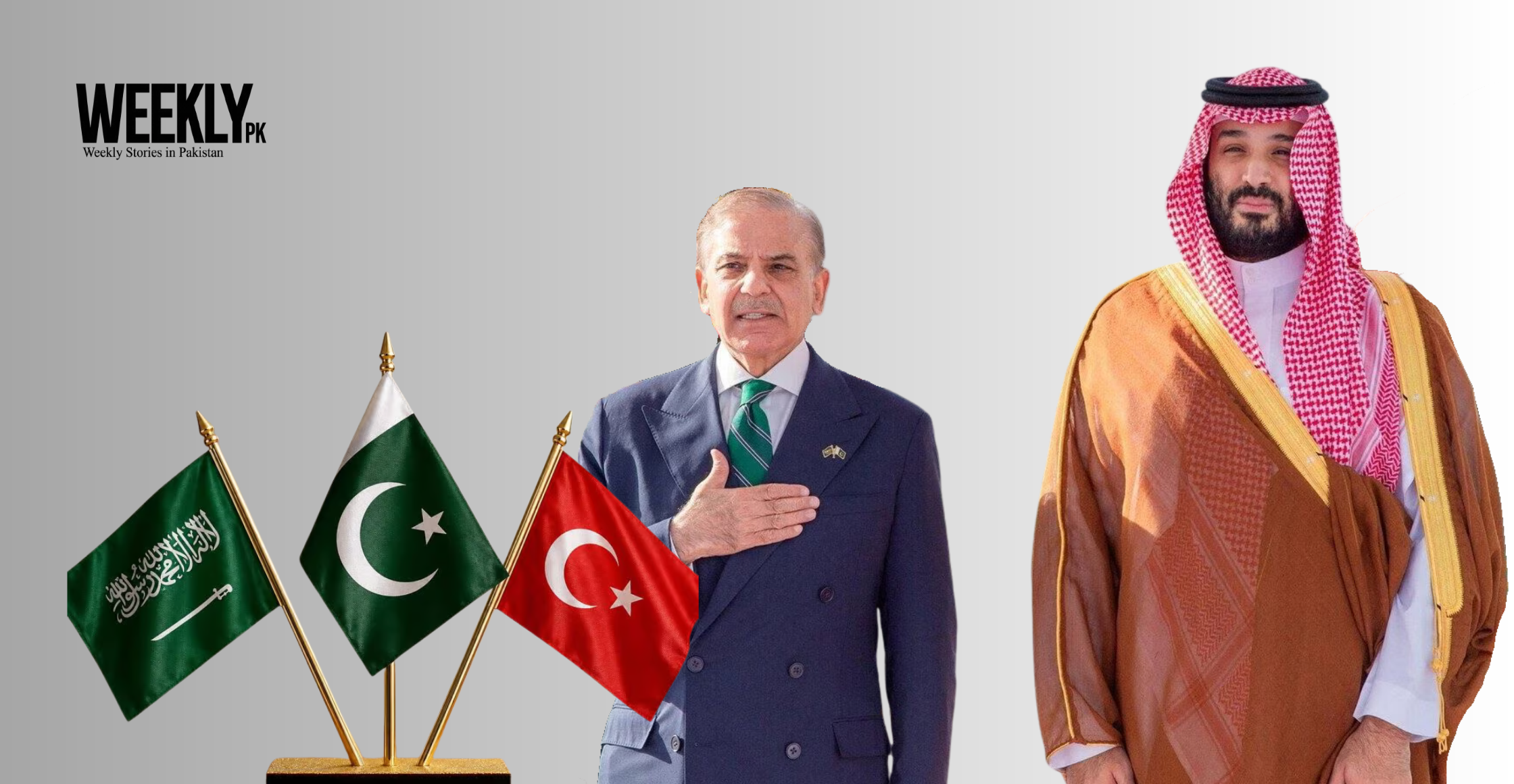
Pakistan is set to host the third meeting of the Strategic Political and Defence Committee of the Makkah Defence Alliance in Islamabad later this month, bringing together the foreign ministers, defence ministers and military chiefs of Pakistan, Saudi Arabia and Turkiye. The announcement, made on Monday by diplomatic sources, came on the same day that Pakistan condemned a Houthi attack on a Saudi Aramco building in Riyadh.
According to The Express Tribune, the meeting is expected in the last week of November, and it will be the first gathering of the committee since the Turkish parliament formally ratified the Makkah Joint Defence Agreement on November 7. Pakistan will be represented by Deputy Prime Minister and Foreign Minister Ishaq Dar, Defence Minister Khawaja Muhammad Asif and Chief of Defence Forces Field Marshal Asim Munir, while Saudi Foreign Minister Faisal bin Farhan and the Saudi defence minister are among those expected from Riyadh, according to 24NewsHD. Lieutenant General (retd) Nauman Mahmood, Pakistan’s secretary-general for the agreement, will also attend. Sources said the discussions would focus on implementing the trilateral agreement and on the regional security situation, particularly the Houthi attacks, and that the participants would consider finalising the official name and abbreviation of the pact.
The committee has met twice before. The inaugural meeting was held in Istanbul on August 31, and the second, an emergency session, took place in Riyadh on October 5, after escalating threats to Saudi Arabia, including attacks attributed to the Houthi movement. At that meeting, the three countries called for implementing their collective defence commitments and for rapid deployment of forces and capabilities in Saudi Arabia, subject to domestic laws. The Makkah agreement, signed on August 7 by Pakistan, Saudi Arabia and Turkiye, provides that an armed attack on any one of them counts as an attack on all three.
The latest Houthi attack highlights why the meeting matters. On Sunday, falling shrapnel damaged Aramco’s administrative building in the King Abdullah Financial District in Riyadh, with no casualties reported, according to Arab News. The Houthis claimed responsibility. Coalition spokesperson Turki al-Maliki said Saudi air defences had intercepted and destroyed two Houthi ballistic missiles heading toward Riyadh on November 8. Saudi Arabia’s energy ministry described the incident as an attempted attack. The strike came hours after Saudi authorities announced the resumption of in-person schooling in Riyadh following weeks of remote learning because of earlier Houthi attacks, Tribune reported.
Pakistan’s response was firm. The Foreign Office said it strongly condemned the attempted attack and demanded that the Houthis immediately and unconditionally cease all attacks against Saudi Arabia. It said the security of Saudi Arabia is of paramount importance to Pakistan, commended the vigilance and swift response of the Saudi authorities, and reaffirmed solidarity with the Saudi leadership and people. It also expressed concern over the targeting of civilian facilities. This follows Pakistan’s condemnation on October 26 of Houthi ballistic missile attacks on October 24, which had targeted the Makkah and Madinah regions, including areas near the holy sites.
The timing of the Islamabad meeting reflects an alliance that is moving from signature to implementation. Pakistan has ratified the agreement, Saudi Arabia has completed its process and Turkiye has now finished its parliamentary approval, so the three partners can begin work on the practical arrangements that the earlier committee meetings only outlined. Pakistan’s Foreign Office has said the pact is defensive, consistent with Article 51 of the UN Charter, and not directed against any third country, and that whether it can be invoked over Houthi attacks is a matter for the three partners to decide together after an objective assessment.
That leaves several questions for the meeting to answer. What will the partners agree about the pact’s name and structure, and how will its decisions be made public? What does rapid deployment mean in practice, and what rules will govern it? And how will the alliance balance deterrence against the Houthis with the diplomatic effort that Pakistan is leading with Iran? Last month, Field Marshal Munir travelled to Tehran with Saudi and Turkish officials in an attempt to open a channel with Iranian leaders, and Pakistan has said a negotiated outcome remains the preferred path.
The meeting will also take place against a backdrop of regional uncertainty. Trump was due to meet Qatar’s prime minister on Monday as efforts to end the Iran conflict face hurdles, according to Aaj News, and the pace of the Houthi attacks shows no sign of slowing. How the three countries respond, and how clearly they explain their decisions, will shape how the pact is understood at home and abroad.
For Pakistan, hosting the meeting is also a statement of its role in the alliance. It will bring senior Saudi and Turkish leaders to Islamabad at a moment when the pact is under its first real pressure, and it will show how far the three partners are prepared to turn the treaty into a working arrangement.
Compiled by the Weekly PK National Security Desk.
Leave a Reply