
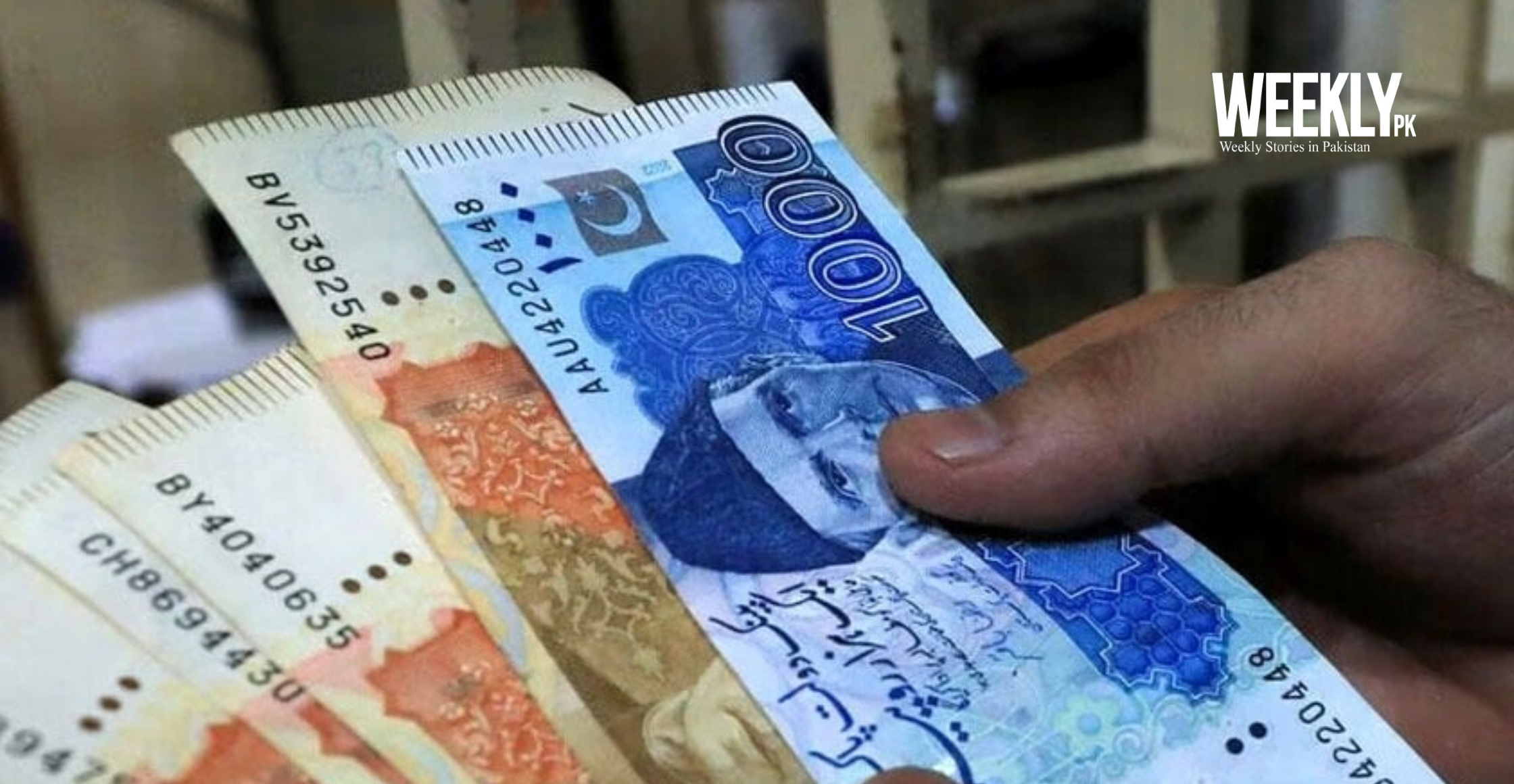
Overseas Pakistanis sent home $3.9 billion in October, the highest monthly figure so far in the current fiscal year, taking inflows for the first four months of FY27 to $14.77 billion, almost enough to cover the country’s entire merchandise trade deficit. The State Bank of Pakistan (SBP) released the data on Tuesday, and it adds to a run of figures that have strengthened the external account even as the import bill rises.
October remittances were 13.8% higher than the $3.42 billion received a year earlier and 8.5% higher than September’s $3.59 billion, according to the SBP. Between July and October, inflows rose 14% to $14.77 billion from $12.96 billion in the same period last year, an additional $1.8 billion according to the Finance Ministry. The Express Tribune described October as a four-month high, while at least one outlet called it a record, so the language in some reports is stronger than the SBP data supports for the fiscal year to date.
The gap with the trade deficit is the more striking number. JS Global’s head of equity research, Waqas Ghani, pointed out that remittances of $14.8 billion in the first four months compared with a merchandise trade deficit of $14.6 billion, which had widened 16% year-on-year. His comment was that overseas Pakistanis had again covered almost the entire trade deficit, and that remittances are buying Pakistan time, with the open question being whether exports can catch up. Minute Mirror noted that the inflows have helped the government manage external pressures at a time of rising international oil prices.
Saudi Arabia was again the largest source. Pakistanis in the kingdom sent $981.6 million in October, around 25.2% of the total, up 25% year-on-year, according to Radio Pakistan, which quoted Finance Ministry spokesperson Khurram Schehzad. The United Arab Emirates followed with $815.9 million, up 16%, the United Kingdom with $592.2 million, up 15%, and the United States with $328.9 million. Remittances from European Union countries reached $461 million, up 12%, and other Gulf Cooperation Council countries contributed $370 million, up 13%. Together, the four largest sources accounted for about $2.72 billion of the month’s total.
The SBP has already raised its expectations. The central bank now projects workers’ remittances of $45 billion for FY27, up from an earlier estimate of $44 billion, and Governor Jameel Ahmed said at the last monetary policy press conference that inflows had remained resilient and were likely to turn out higher than earlier assessed. Pakistan’s rolling 12-month remittance total, covering November 2025 to October 2026, had reached $43.39 billion, according to Minute Mirror. The Finance Ministry said the sustained growth had strengthened foreign exchange earnings and improved the country’s capacity to meet external payment obligations.
Several factors usually help explain growth of this kind. A stronger Gulf economy and higher oil prices support wages and employment for Pakistani workers in Saudi Arabia and the UAE, and the Saudi figure, up a quarter on the year, is the clearest sign of that. A narrower gap between official and informal exchange rates tends to push more money into formal channels, though the sources reviewed do not quantify that effect. Seasonal demand also plays a role, with overseas workers often sending more ahead of the winter wedding season and religious occasions. These explanations are general, and the reports do not attribute October’s rise to any one cause.
Also Read: Pakistan Explores Blockchain-Powered Remittances From the Gulf: What the “$1 Billion” Claim Means
The numbers also bear on a policy discussion that started last week. Pakistan’s virtual assets regulator has said blockchain-based payments and regulated stablecoins could save the country between $400 million and nearly $1 billion a year in remittance costs, but that proposal is still at the stage of study and a possible Gulf pilot. The figures above show why the idea has attracted interest: on current volumes, even a small reduction in transfer fees translates into hundreds of millions of dollars for recipient families. Whether technology can deliver those savings is an open question, and for now the strength of inflows rests on traditional channels and the workers who use them.
The broader picture is one of dependence as well as resilience. Remittances have become one of the most reliable sources of foreign exchange, and their growth has helped contain pressure on reserves when the trade deficit has widened. But the same strength highlights a weakness: exports, which would put the external account on a more sustainable footing, are not growing fast enough to close the gap, and the trade deficit widened 16% in the same period. A country that relies on money earned abroad to pay for imports is exposed to shocks in host economies, including Gulf conflicts, which have recently intensified.
That risk is not abstract. The Houthi attacks on Saudi Arabia in recent weeks, including a strike on Riyadh airport that killed a Pakistani resident, are a reminder that the economic fortunes of millions of Pakistani families are tied to the security of the countries where they work. For now, the October data show no sign of disruption, and the monthly trend is upward. What it will take to turn that into durable external stability, rather than a cushion against a widening deficit, is the question policymakers will have to answer.
Compiled by the Weekly PK Business Desk.
Leave a Reply