
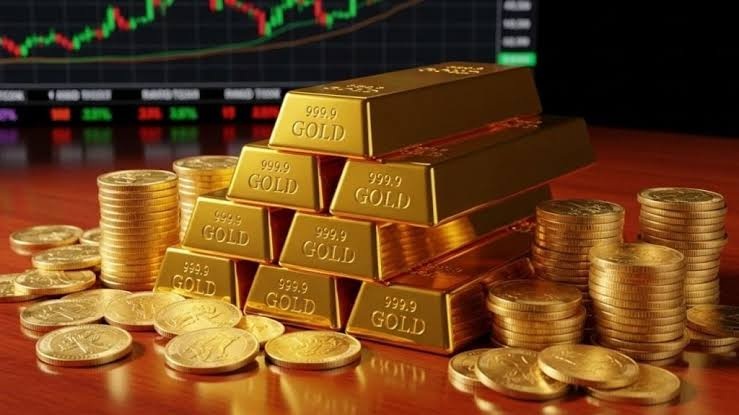
Gold price in Pakistan jumped sharply on Wednesday, extending its rally in line with a strong upward move in the international bullion market. In the local market, the price of gold per tola reached Rs437,936 after gaining Rs10,000 during a single day of trading, marking one of the more significant single-day increases recorded in recent weeks.
The rally comes at a time when gold has repeatedly tested new highs both locally and globally, driven by a mix of international monetary policy expectations, currency movements, and continued demand for safe-haven assets. For consumers, jewellers, and investors across Pakistan, Wednesday’s jump means yet another recalibration of budgets, wedding season purchases, and investment decisions tied to the yellow metal.
Local Gold Rates Climb Across the Board
According to rates shared by the All-Pakistan Gems and Jewellers Sarafa Association (APGJSA), the price of 10-gram gold also rose substantially, reaching Rs375,459 after an increase of Rs8,573 during the day. The parallel rise in both the per-tola and per-10-gram rates reflects the broad-based nature of Wednesday’s rally, rather than an isolated adjustment in one segment of the market.
The increase follows a relatively subdued session on Tuesday, when gold price per tola had settled at Rs427,936 after slipping by Rs500 during the day. That modest dip appears, in hindsight, to have been a brief pause before Wednesday’s sharp upward correction, which pushed local rates to a fresh high and erased the previous day’s losses many times over.
For readers looking to track city-specific movements, WeeklyPk’s Karachi gold rates page provides daily updates on gold pricing trends, allowing buyers and sellers in the port city to stay informed on rate fluctuations as they happen throughout the week.
International Market Sets the Tone
The domestic gold rally mirrored a strong session in the international market, where the price of gold rose by $100 to reach $4,155 per ounce, inclusive of a $20 premium. The scale of the international move, a full $100 gain in a single session, underscores just how volatile the global bullion market has become in recent months, with prices swinging sharply in response to shifting expectations around interest rates, inflation data, and broader macroeconomic uncertainty.
Gold has long been viewed as a hedge against inflation and currency depreciation, and price movements of this magnitude tend to ripple quickly into markets like Pakistan, where local rates are calculated based on international spot prices adjusted for the rupee’s exchange rate against the US dollar. Any significant swing in global gold pricing, whether upward or downward, is typically reflected in local markets within the same trading day or the next, given how tightly linked domestic gold rates are to international benchmarks.
Analysts tracking the bullion market have generally attributed sustained gold strength to a combination of factors, including continued central bank buying, geopolitical tensions in various parts of the world, and shifting expectations around monetary policy in major economies. When uncertainty rises in equity or currency markets, gold typically benefits as investors seek safer stores of value, and the scale of Wednesday’s international gain suggests one or more of these dynamics was at play.
Silver Also Posts Gains
Gold was not the only precious metal to see gains on Wednesday. The price of silver also increased, rising by Rs273 to reach Rs6,624 per tola in the local market. While silver’s price movements are typically smaller in absolute terms compared to gold, the metal often follows similar directional trends, particularly during periods when both are being bought as inflation hedges or safe-haven assets.
The parallel rise in silver prices reinforces the broader narrative of precious metals strength on Wednesday, suggesting that the rally was not limited to gold alone but reflected wider investor sentiment favoring hard assets over cash or other more volatile investment options.
What Is Driving Gold Prices Higher
Several factors typically influence gold price movements, both internationally and within Pakistan’s local market. On the international front, expectations around central bank interest rate decisions play a major role. When investors anticipate lower interest rates, gold, which does not yield interest, tends to become more attractive relative to interest-bearing assets, pushing prices higher. Conversely, expectations of rate hikes can dampen gold’s appeal.
Currency movements also play a critical role. Since gold is priced in US dollars on the international market, a weaker dollar generally makes gold cheaper for holders of other currencies, boosting demand and pushing prices up. A stronger dollar tends to have the opposite effect.
Geopolitical developments, including conflicts, trade tensions, and political instability in various regions, also tend to drive investors toward gold as a safe-haven asset. During periods of heightened uncertainty, demand for gold as a store of value typically increases, contributing to upward price pressure.
Within Pakistan specifically, local gold rates are also influenced by the rupee’s exchange rate against the dollar, import duties, and taxes imposed on gold transactions, as well as domestic demand patterns, which often spike during wedding seasons and religious festivals when gold jewellery purchases traditionally increase.
Impact on Local Consumers and Investors
For everyday consumers in Pakistan, a Rs10,000 jump in the price of gold per tola in a single day represents a significant shift, particularly for those planning weddings or other occasions where gold jewellery purchases are customary. Families budgeting for such expenses often find themselves recalculating costs on short notice when rates move this sharply, and jewellers across major cities, including Karachi, Lahore, and Islamabad, typically report a mix of consumer reactions ranging from postponed purchases to accelerated buying among those who believe prices will continue rising.
For investors, the rally represents a different set of considerations. Gold has traditionally been viewed in Pakistan as both a cultural asset and a financial hedge, with many households holding gold as a form of savings or investment. Sharp price increases like Wednesday’s can prompt some investors to consider selling to lock in gains, while others may choose to hold or even increase their gold holdings if they believe the international rally has further room to run.
Financial analysts often caution that while gold can serve as a valuable hedge against inflation and currency depreciation, its price volatility means that short-term trading based on daily fluctuations carries risk, particularly for smaller investors without access to sophisticated market analysis tools.
Tracking Daily Gold Rate Movements
Given the volatility seen in recent sessions, with Tuesday’s modest decline followed by Wednesday’s sharp Rs10,000 gain, market watchers are likely to keep a close eye on gold price movements in the coming days to determine whether this represents a sustained upward trend or a temporary spike tied to specific international developments.
Readers interested in staying updated on daily gold and silver rate changes across Pakistan, including city-specific pricing in Karachi, can refer to WeeklyPk’s dedicated Karachi gold rates today page, which is updated regularly to reflect the latest rates shared by the APGJSA and aligned with international market movements.
As global markets continue to navigate uncertainty around interest rate policy, currency fluctuations, and geopolitical developments, gold’s role as a safe-haven asset is likely to remain a key talking point for investors and consumers alike, both in Pakistan and internationally. Wednesday’s sharp rally serves as a reminder of just how quickly local gold prices can shift in response to international developments, reinforcing the importance of staying informed through reliable, regularly updated sources.
Leave a Reply