
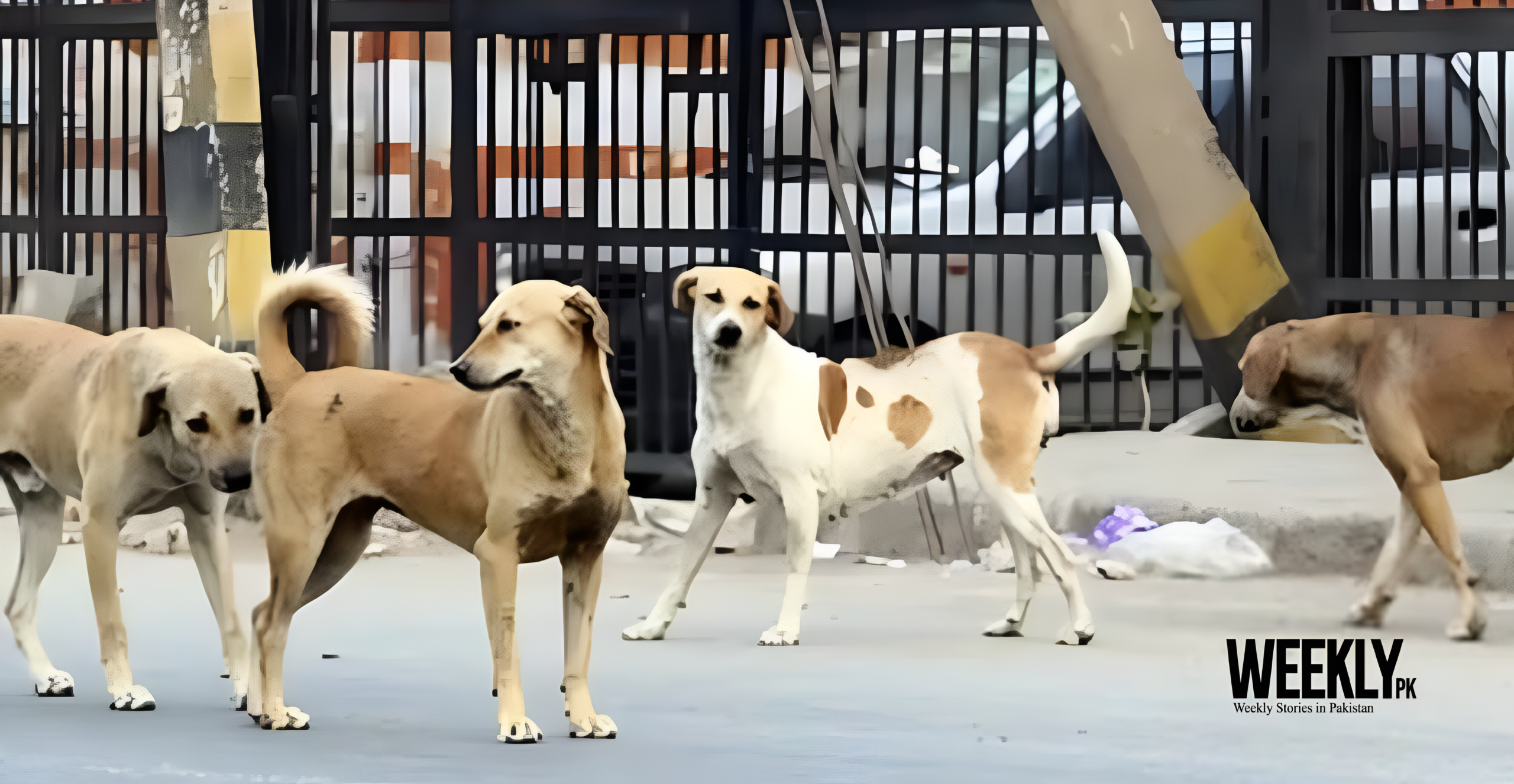
A six-year-old boy from Badin has died of rabies at Liaquat University Hospital in Hyderabad despite reportedly receiving anti-rabies vaccine and rabies immunoglobulin, taking the number of rabies-related deaths recorded in Sindh this year to 43 and prompting the provincial government to suspend four doctors and demand explanations from seven health facilities.
According to the hospital’s medical superintendent, Dr Ershad Kazmi, the child was bitten by a dog on September 29 in Goth Bachal Balan in Badin. The same dog attacked seven other people before local residents killed it. The boy was first taken to Indus Hospital in Badin and discharged, and reportedly received one dose of immunoglobulin and three doses of the vaccine at a hospital in Golarchi. About two weeks later he was brought to Liaquat University Hospital with fever, irritability, difficulty breathing and the classic symptoms of hydrophobia and aerophobia, a fear of water and of air drafts. He died on October 24.
Sindh Chief Secretary Asif Hyder Shah has since ordered the suspension of four doctors and sought explanations from the heads of seven health facilities over rabies deaths involving patients who had received the vaccine and immunoglobulin. The health department has also introduced a tracking system to investigate every rabies death and identify possible lapses in treatment. Speaking at a World Rabies Day event at Indus Hospital in Karachi earlier this month, Shah said six deaths among vaccinated patients were already under investigation to establish why the treatment had failed, and added that better reporting was one reason the number of recorded cases had risen.
That explanation will be tested by the pace of recent deaths. On October 1, a six-year-old girl from Hyderabad and a four-year-old boy from Dadu died at Indus Hospital Karachi after dog bites that were not followed by any vaccination, pushing the toll to 37. By October 12 it had reached 38 after a 38-year-old man from Tharparkar’s Diplo taluka died despite receiving four doses of the vaccine at a taluka hospital between July 25 and August 8, before developing symptoms and being transferred to Karachi. On October 17 a man in his 70s from Baldia Town died at the Jinnah Postgraduate Medical Centre after being bitten more than three weeks earlier and never seeking preventive treatment, taking the count to 40. Two more deaths on Monday, October 20, brought it to 42, a figure Dawn used in an editorial calling the situation evidence of administrative failure and a broken health infrastructure.
Also Read: Sindh Reports Decline in Major Crimes and Terrorism Incidents in First Half of 2026
The scale of exposure is considerably larger than the death count suggests. AsiaNews, citing health authorities, reported that dog bites in Sindh reached 285,000 in 2025. Jinnah Hospital and Civil Hospital in Karachi have each recorded around 11,000 bite cases this year, and Indus Hospital Karachi has recorded 29 rabies deaths in 2026, with JPMC reporting ten. A study cited in the Dawn editorial found the virus in 64 percent of dog-bite wounds tested, pointing to a heavy burden of infection in the canine population. Nationwide, the editorial noted, rabies kills between 2,000 and 5,000 people a year.
Officials point to some progress on the treatment side. According to figures cited by AsiaNews, 278 anti-rabies centres in Sindh have been upgraded and 138,000 vaccine doses administered, while the Sindh Rabies Control Programme has reported neutering more than 25,500 dogs and vaccinating more than 36,900 across 20 districts. Dawn, however, argued that the programme, which aimed to vaccinate and sterilise 125,000 dogs by mid-2025 and set up vaccination centres in 20 districts, remains stalled by operational problems, leaving the trap, neuter, vaccinate and return approach to street dogs in limbo. Without functioning dog vaccination, the editorial warned, Pakistan cannot meet the World Health Organization’s goal of eliminating rabies deaths by 2030.
Health experts have also stressed that a share of the deaths comes from delay rather than system failure. Several of this year’s victims never sought post-bite treatment, and doctors say patients often turn to home remedies or faith healers instead of going to a hospital, which means many cases go unreported. Rabies is almost always fatal once symptoms appear, but immediate wound washing, timely vaccination and immunoglobulin where needed can prevent the disease after exposure, which is why the cases in which vaccinated patients died are drawing particular scrutiny. Investigators are expected to examine whether the problem lies in how the vaccine was stored and administered, how quickly immunoglobulin was given, or how severe the bites were.
For families in the province the arithmetic is simple and unforgiving: a bite is an emergency, and every hour counts. Until the dog vaccination drive is back on track and the investigations into the failed treatments conclude, the number of children and adults dying of a preventable disease in Sindh is likely to keep rising.
Compiled by the Weekly PK Staff Desk.
Leave a Reply