
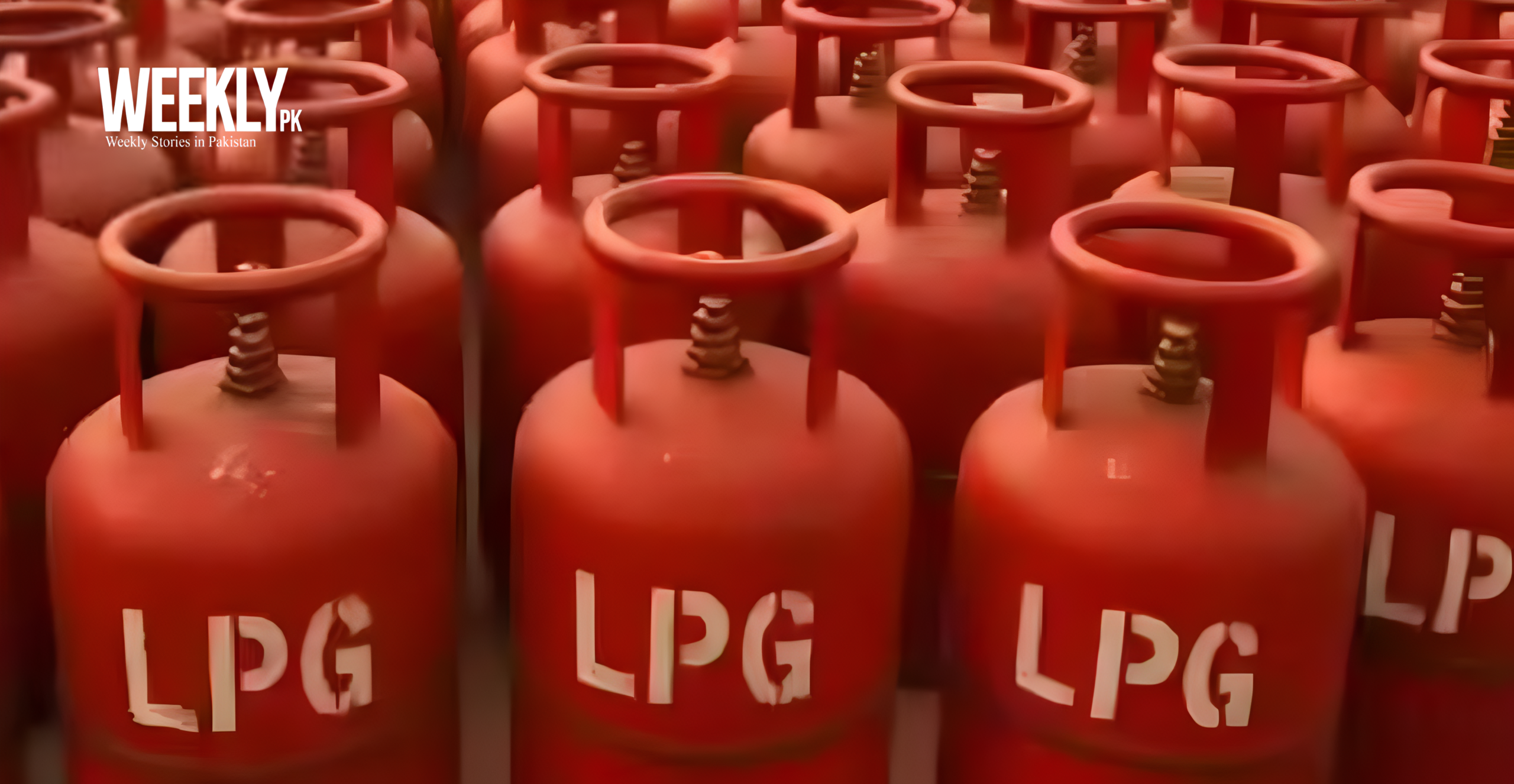
LPG prices in Pakistan have climbed to nearly twice the official rate, distributors and consumers say, as the closure of two border crossings with Iran cuts off a major supply route just as winter demand begins to build. Petroleum Minister Ali Pervaiz Malik told parliament on Monday that the border closure was one of the main reasons behind the surge, and said the government is preparing a policy to protect low-income households.
The gap between the official and market price is wide. The Oil and Gas Regulatory Authority (OGRA) set the October price of locally produced LPG at Rs279.34 per kilogram, or Rs3,296.23 for an 11.8-kilogram domestic cylinder, after raising it by Rs20.69 from Rs258.65 in September. Retail prices in the market are far higher. Profit reported rates of Rs500 to Rs600 per kilogram, putting an 11.8-kilogram cylinder at roughly Rs5,900 to Rs7,080. Reuters, citing traders, reported that a 12-kilogram cylinder had risen to about Rs7,000 from Rs4,500 within days, with prices around Rs7,500 in Lahore and Rs8,200 in Skardu. Prices in some northern areas have reportedly reached Rs750 per kilogram. A Lahore resident told Reuters he used to pay Rs250 per kilogram before the closure and now pays Rs500 to Rs600.
The trigger was the closure of the Gabd-Rimdan and Taftan crossings on October 17. The Balochistan government said the temporary closure was meant to address security concerns and curb smuggling, while Iran’s foreign ministry cited technical issues. The Pakistan LPG Association says Iranian supplies account for a major part of the country’s imports, with around 7,000 tonnes reportedly arriving daily before the disruption, a figure that differs from earlier estimates of more than 4,000 tonnes a day through Gabd-Rimdan alone, and which suggests that the volumes carried by both crossings together were substantial. The closure has also left more than 1,000 Pakistani containers carrying potatoes, bananas and rice for Iran stranded, according to traders.
Dealers point to other pressures as well. Transportation costs, international market prices and what they describe as opaque pricing by private suppliers are adding to the squeeze, and winter demand in the north, where LPG is widely used for cooking and heating, is rising. A commentary in Profit criticised OGRA for failing to enforce its notified prices, saying market rates were running at more than double the regulator’s figure.
The minister’s own remarks pointed to a structural gap. Malik acknowledged that while OGRA regulates the price of locally produced LPG, the government does not have a comprehensive pricing mechanism for imported supplies. That matters because a large share of the country’s LPG is imported, and prices of imported gas are set largely by private suppliers. In practice, a notified price can apply to only part of the market, leaving consumers exposed when supply tightens.
The government is trying to fill the supply gap through the sea route. The Express Tribune reported that more than 11,600 tonnes of LPG arrived at Karachi’s ports in a single week as imports shifted away from the land crossings. That may help over time, but shipments take longer to arrange and distribute, and even if flows through the Iranian border resume normally, consumers may have to wait for prices to ease, according to Arab News. One report earlier this week said LPG prices could fall by Rs30 to Rs40 as some Iranian supplies resume, though the larger disruption appears to be continuing.
The surge also feeds directly into inflation. The Pakistan Bureau of Statistics reported last week that LPG prices rose 22.44% in a single week, with the average cylinder reaching Rs6,310.76, and that LPG is up 107% compared with a year ago. Those figures capture the early stage of the spike, and the later market reports suggest that prices have moved further since. Higher cooking costs ripple through the economy, because restaurants, small food businesses and households all rely on LPG, and they tend to pass the cost on.
Several questions remain. Will OGRA’s November notification, expected around October 31, reflect the higher cost of imports, or will the official price lag behind the market? What will the promised policy for low-income households look like, and how quickly can it be put in place? And when will the Iranian crossings reopen? Officials have only described the closure as temporary, and no date has been given.
For households, the most immediate concern is practical. Winter is approaching, supplies in some regions are tight, and a cylinder that cost Rs4,500 a few weeks ago now costs well over Rs7,000 in many places. Unless supply returns or enforcement improves, the squeeze is likely to deepen before it eases.
Compiled by the Weekly PK Business Desk.
Leave a Reply