
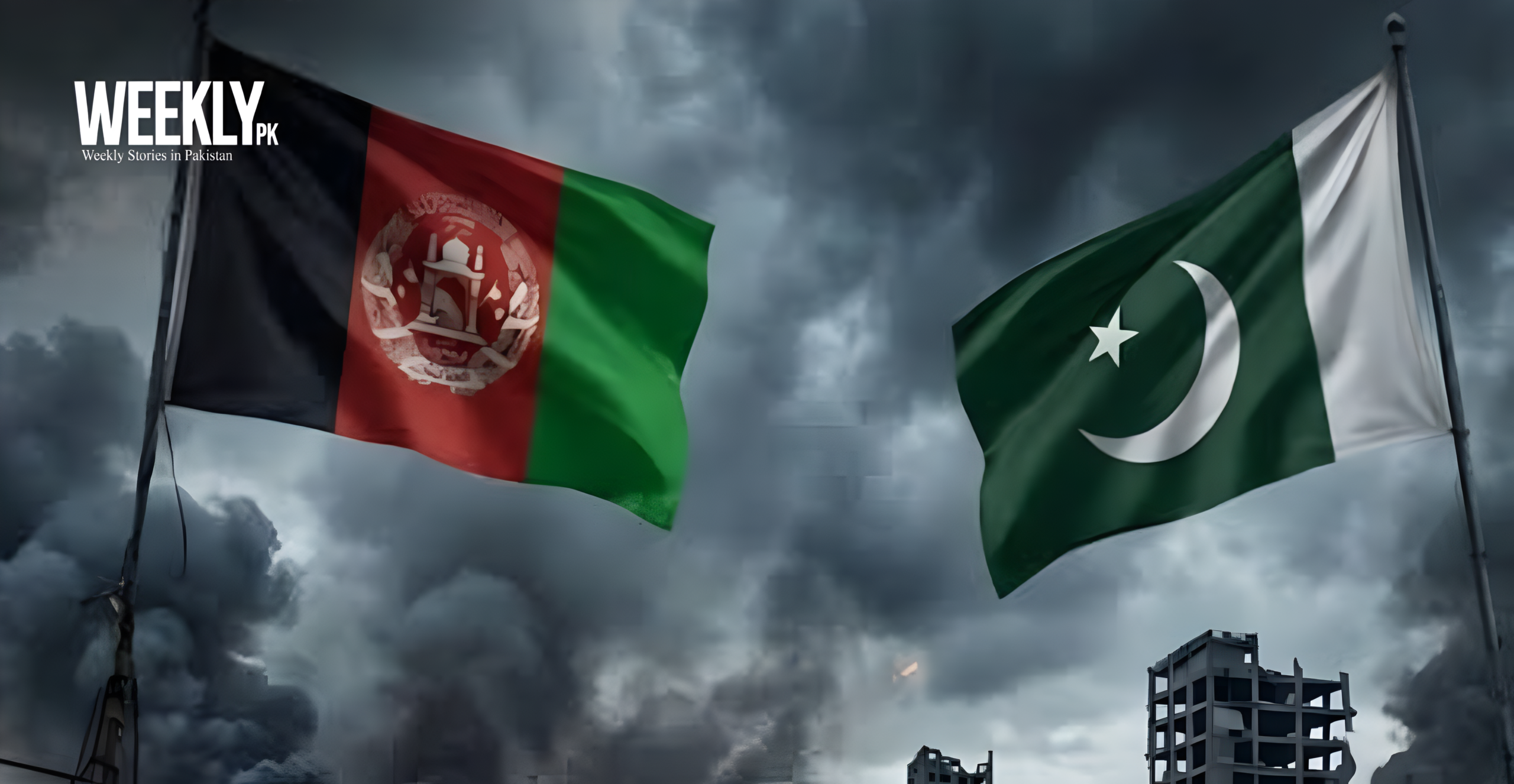
Pakistan has rejected allegations by the Afghan Taliban authorities that its counter-terrorism operations have killed civilians, calling the claims baseless and unsubstantiated and saying its actions in Afghanistan are an exercise of the right to self-defence. The statement, issued by the Foreign Office on Monday, comes amid an already tense period in relations between Islamabad and Kabul and adds a new layer of dispute over who is responsible for civilian harm.
Foreign Office spokesperson Sajjad Haider Khan said disinformation and misleading narratives would neither obscure the threat posed by terrorist networks operating from Afghan territory nor absolve the Taliban regime of its responsibility to prevent Afghan soil from being used to plan and launch attacks on Pakistan. He said such attacks had caused more than 3,500 casualties in Pakistan in 2026 alone. Pakistan’s response, he said, was undertaken in self-defence, in accordance with the principles of necessity, distinction and precaution, and as a measure of last resort, targeting only terrorists and their logistical support bases. He said no responsible state can remain passive when its civilians and security forces are repeatedly targeted.
The statement followed claims from the Afghan side. Afghan Foreign Ministry spokesperson Abdul Qahar Balkhi reportedly told CNN that Pakistani operations have killed or injured 1,119 Afghan civilians since late 2021 or early 2022, and Afghan media, including Tolo News, reported similar claims around October 25 and 26. The two sets of figures are not directly comparable. Pakistan’s figure covers casualties from attacks in a single year, 2026, while the Afghan figure covers several years and combines deaths and injuries, and neither has been independently verified. Access for independent monitors to the affected areas remains limited, which makes verification difficult for both sides.
Khan accused the Taliban authorities of providing shelter to groups including the banned Tehreek-i-Taliban Pakistan (TTP) and the Balochistan Liberation Army (BLA), and urged the international community to hold the Taliban regime accountable for failing to meet its obligations under relevant UN Security Council resolutions and other commitments. Pakistan’s position is supported, in part, by a UN Security Council-mandated monitoring report covering December 2025 to June 2026, which linked continued Taliban support for the TTP to an increase in the frequency and severity of terrorist attacks in Pakistan. Pakistan reserved the right to take all necessary measures to safeguard its sovereignty, territorial integrity and the safety of its citizens.
Also Read: Emergency, Governor’s Rule Imposed in KP: What Happens Now to PTI’s Long March?
The exchange follows months of escalating confrontation. Pakistan carried out airstrikes in Afghanistan earlier this year, and Afghanistan launched a retaliatory operation in late February, after which Pakistan began Operation Ghazab lil Haq. Last month, Information Minister Attaullah Tarar said Pakistan had struck 10 locations inside Afghanistan after drones entered Pakistani airspace, and the military has reported repeated clashes along the border. The Foreign Office’s latest statement sits within that pattern of strike, counter-claim and rebuttal.
The statement also addressed a separate accusation. Pakistan rejected allegations by former US special representative for Afghanistan Zalmay Khalilzad that it was recruiting Afghan nationals to fight the Taliban regime and combat anti-Pakistan insurgents, describing them as unsubstantiated. The claim, if repeated, could add to the narrative in Kabul that Pakistan is interfering in Afghan affairs, so the denial was clearly intended to close that line of argument.
The Foreign Office statement also touched on Pakistan’s regional commitments. The spokesperson reiterated solidarity with Saudi Arabia and Pakistan’s firm commitment to the Makkah Alliance, and commended the vigilance and efficiency of Saudi air defence forces in countering attacks. The inclusion of that point in a statement about Afghanistan reflects how many security fronts Pakistan is now managing at once, from its western border to the Gulf.
The central difficulty is that each side’s account depends on facts that outsiders cannot easily check. Pakistan says its operations are limited to militant targets and are proportionate. The Taliban say civilians have been killed. Without independent access, humanitarian agencies and journalists can corroborate individual incidents at best, and the larger question of how many civilians have been harmed remains contested. That has consequences, because international opinion about the legitimacy of cross-border strikes often turns on exactly this question.
The longer-term question is whether any channel exists to reduce the confrontation. Pakistan wants verifiable action against the TTP and the BLA, and the Taliban deny harbouring them. Until that gap narrows, statements like Monday’s are likely to be repeated, and the risk is that a dispute over casualty figures becomes another obstacle to any dialogue.
Compiled by the Weekly PK National Security Desk.
Leave a Reply