
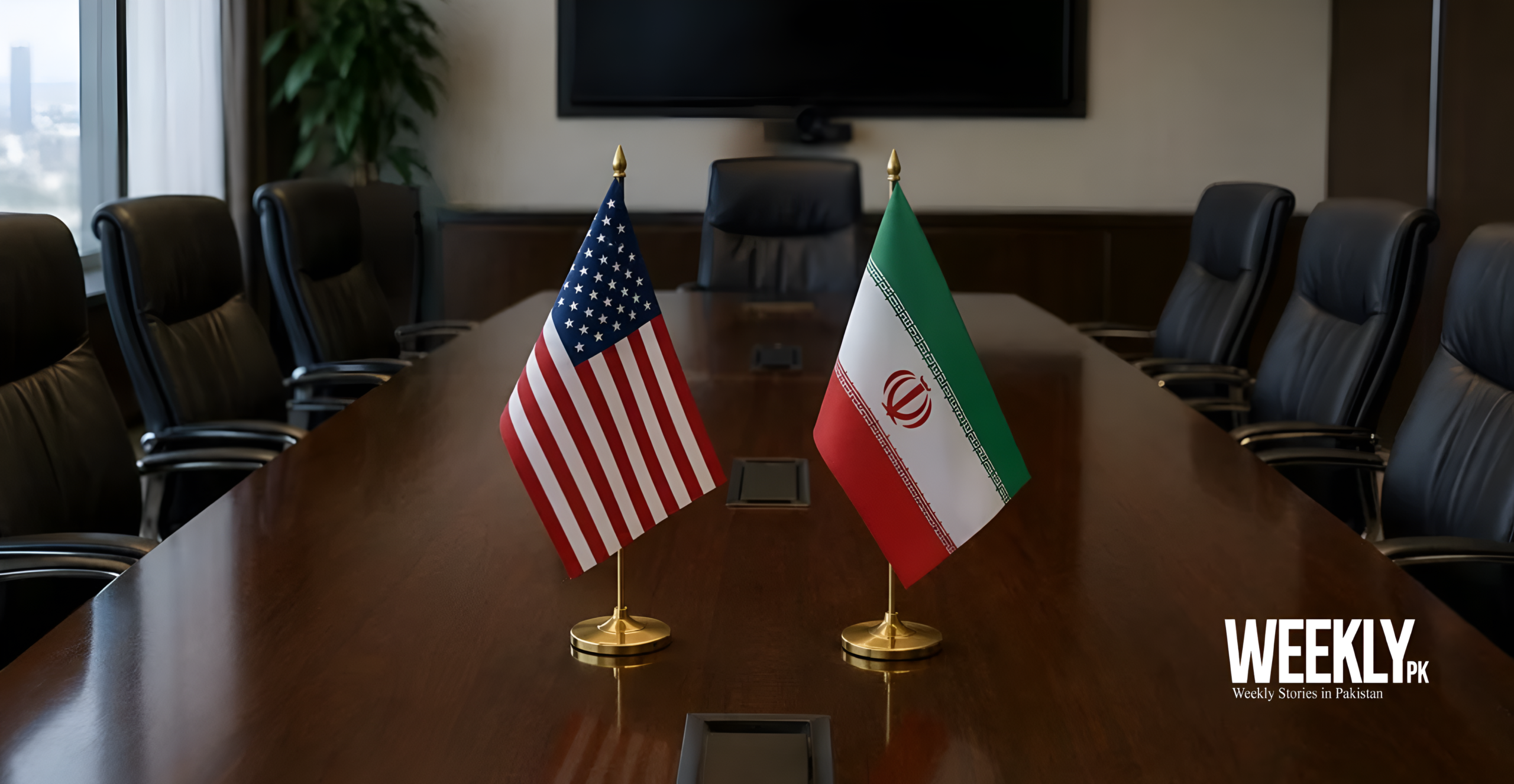
American and Iranian negotiators meeting on the sidelines of the United Nations General Assembly in New York are exploring a phased arrangement that would see Tehran reopen the Strait of Hormuz in exchange for Washington lifting its economic blockade of Iran, according to sources familiar with the talks, in what would mark a significant step toward ending nearly seven months of conflict between the two countries.
The strait has emerged as the central bargaining chip in efforts to end the confrontation, with Iran seeking relief from a US blockade that has been choking its economy, and Washington seeking free passage for commercial shipping along one of the world’s most critical oil supply routes, currently blocked by Tehran. According to a senior Iranian official cited in the talks, the most plausible way to end the standoff would be a phased arrangement in which Iran allows navigation through Hormuz in return for the United States lifting its economic blockade, with Tehran also potentially gaining access to frozen financial assets as part of any eventual agreement.
A Western official familiar with the discussions described the core of the negotiations in blunt terms. “It is all about opening the Strait of Hormuz. We’re all under pressure domestically and the Iranians know that,” the official said, underscoring how central the waterway has become to both sides’ calculations, given its role as a chokepoint for a significant share of global oil shipments.
Despite the apparent convergence around a phased approach, the talks face a significant obstacle, as neither side wants to be the first to surrender its leverage, according to two Iranian sources, two regional officials and two Western diplomatic sources who spoke to Reuters. Behind Iran’s cautious stance, however, lies a clear recognition of the mounting economic cost of prolonged confrontation, a pressure that appears to be pushing Tehran toward a more pragmatic negotiating posture even as it continues to project resolve publicly.
Any agreement would also require US President Donald Trump to accept what would effectively be another temporary arrangement, following the collapse of an earlier understanding in July. That earlier breakdown has left both sides more cautious this time, with officials saying the central challenge facing negotiators is not simply to sketch out the broad contours of a deal, but to ensure that any concessions made are durable enough for both sides to actually trust, given the precedent of the previous agreement unravelling within weeks.
Trump has said he believes the United States and Iran could reach a deal after the American midterm congressional elections on November 3, a timeline that suggests Washington may prefer to avoid finalising politically sensitive concessions before voters go to the polls. Analysts have noted that a deal reached before the midterms could still benefit Trump politically, since reopening Hormuz would likely ease broader tensions in the Gulf, help contain global oil prices, and bring down politically sensitive gasoline prices at home, an outcome with fairly direct domestic political value regardless of election timing.
Not all observers are convinced the New York talks represent a genuine turning point. Danny Citrinowicz, a regional analyst and former Israeli military intelligence officer, said the discussions had not meaningfully altered the basic positions held by either side, and that Iran was unlikely to retreat from its current posture so long as it believed Trump wanted to avoid a wider escalation in the region. That assessment points to a negotiating dynamic in which both sides may be probing for concessions without yet being ready to make the first substantive move.
The Hormuz standoff itself traces back to earlier in 2026, when a ceasefire organised by Pakistan between April and July temporarily paused fighting before the so called Islamabad Talks failed and the United States subsequently imposed a naval blockade on Iran in April. Fighting later resumed in July after that ceasefire collapsed, setting the stage for the prolonged standoff now being addressed in New York. The strait’s closure has had significant knock on effects for global energy markets and regional shipping throughout the year, making its reopening a matter of interest well beyond the two parties directly involved in the talks.
Adding a regional dimension to the diplomacy, China’s Foreign Minister has said the Strait of Hormuz conflict must be resolved through dialogue and has called on all parties to seek a peaceful solution, while Iranian President Masoud Pezeshkian said this week that he had met with Pakistan’s prime minister, adding that further details on that meeting would be published soon, a sign of the wider diplomatic activity now surrounding the standoff as multiple regional and global powers position themselves around its eventual resolution.
For now, whether the New York talks translate into a concrete phased agreement, or simply become another round of positioning ahead of the US midterms, remains an open question, one with significant implications for global oil markets and regional stability well beyond the immediate parties at the table.
Compiled by the Weekly PK World Desk.
Leave a Reply