
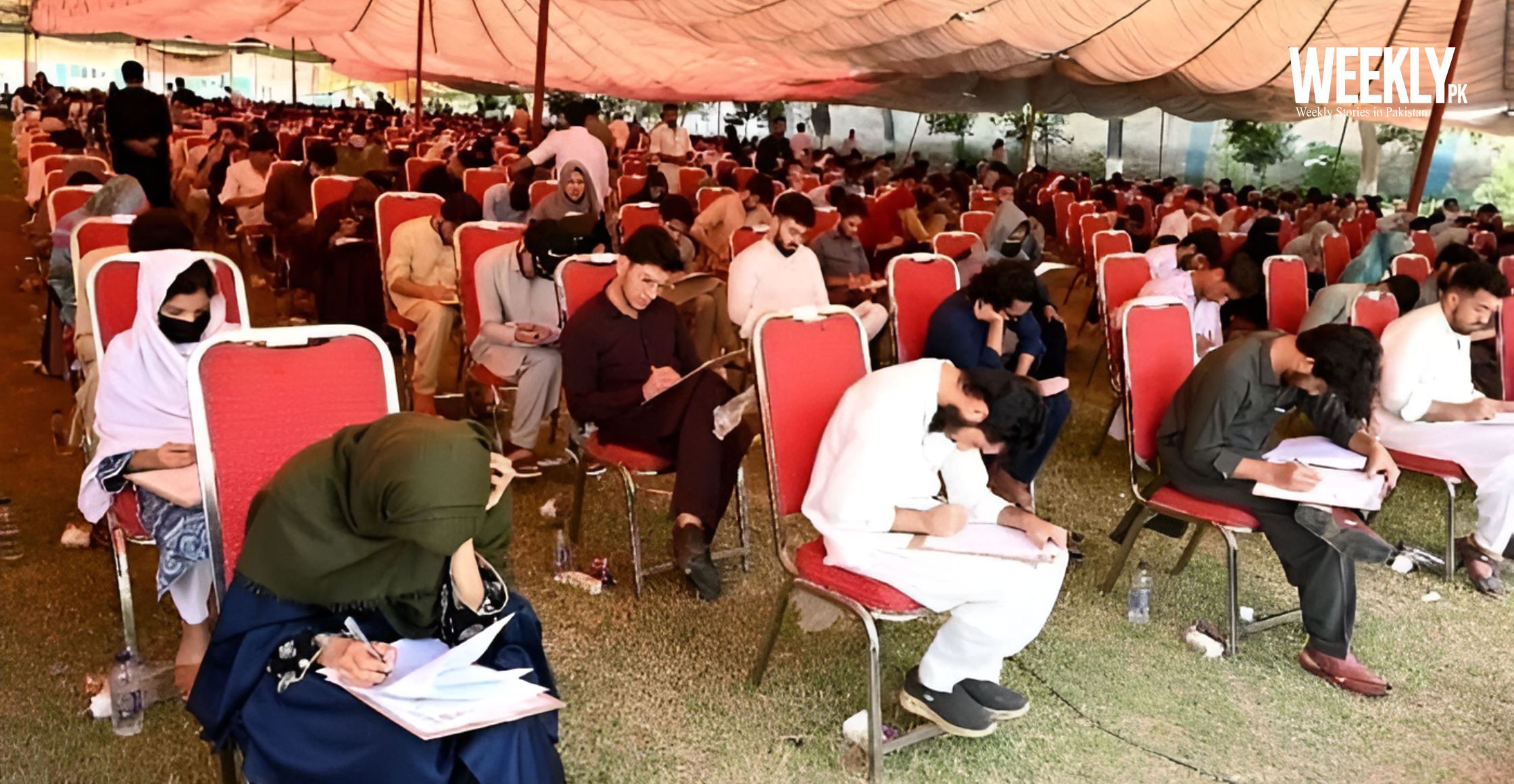
The Pakistan Medical and Dental Council (PMDC) has postponed the Medical and Dental College Admission Test (MDCAT) 2026, moving the exam date from August 16 to September 20. The announcement came in a press release issued on Thursday, ending days of uncertainty for hundreds of thousands of aspiring medical and dental students across the country.
According to the council, the decision was made on the directions of the prime minister of Pakistan. The statement said all candidates, parents, educational institutions and other stakeholders were being informed that the previously announced August 16 date no longer stands, and that the test will instead be conducted next month.
Why the Exam Was Postponed
PMDC said the rescheduling was necessary to guarantee a smooth, secure and transparent conduct of the examination while making sure every candidate is properly facilitated. The council did not go into granular detail on the operational hurdles that prompted the shift, but the wording of the notification points to logistical and administrative concerns that needed to be ironed out before the test could proceed as originally planned.
Importantly, PMDC clarified that apart from the date, nothing else about the exam has changed. All other terms, conditions and examination arrangements will remain exactly as they were unless a fresh notification says otherwise. This means the syllabus, test pattern, registration requirements and eligibility criteria that candidates have already prepared around continue to apply.
The council also urged students to keep checking the official PMDC website and its verified communication channels for further instructions, since additional details about test centres, roll number slips and reporting times are expected to follow closer to the new date. In its statement, PMDC acknowledged the disruption this last-minute change may cause and thanked stakeholders for their patience.
A Test That Decides Thousands of Futures
MDCAT is not just another entrance exam in Pakistan’s academic calendar. It is the single gateway that determines who gets to study medicine or dentistry in the country’s public and private colleges. Every student who wants to pursue MBBS or BDS, regardless of how strong their intermediate or A-Level results are, must clear MDCAT first. There is no alternate route.
The scale of the exam is enormous. Close to 200,000 candidates typically sit for MDCAT every year, drawn from every province and region of Pakistan, including students studying abroad who return specifically to take this test. Of that massive pool, only around 25,000 secure seats in public and private medical and dental institutions combined. That works out to an acceptance rate hovering near 12 to 13 percent, making MDCAT one of the most competitive standardised tests conducted anywhere in the country.
For families, the exam carries weight far beyond academics. Years of tuition, coaching academy fees and sacrificed weekends culminate in a single sitting. A shift in date, even by a few weeks, can ripple through study schedules, coaching centre timelines and the mental preparedness of students who had trained themselves to peak on a specific day.
Internet Shutdown in AJK Added to the Pressure
The rescheduling comes days after the health secretary of Azad Jammu and Kashmir met with PMDC officials to flag a serious problem facing students in the region. A prolonged internet shutdown in AJK had made it extremely difficult for candidates there to complete their MDCAT registration process, which is conducted entirely online through the PMDC portal.
During that meeting, PMDC officials reportedly assured the AJK administration that every possible facilitation would be extended to affected candidates. While the council has not explicitly linked the connectivity crisis to the decision to push the exam back by more than a month, the timing suggests it was very likely one of several factors under consideration, alongside broader concerns about registration completion rates nationwide.
Internet disruptions in AJK, often tied to security and law and order situations in the region, have periodically affected access to online services, and this is not the first time students there have had to navigate digital hurdles around a major national exam.
Senate Committee Had Already Flagged Concerns
The postponement also follows scrutiny from parliament. Last month, a subcommittee of the Senate Standing Committee on Health raised concerns over a rising number of complaints regarding how MDCAT was being conducted and questioned the scheduling of the test.
In that Senate session, PMDC officials had informed lawmakers that approximately 135,000 candidates were expected to appear for the exam this cycle. Senator Anusha Rahman, a member of the committee, stated that around 1,000 complaints had already reached the committee from students and their families, pointing to a pattern of dissatisfaction that predates this week’s announcement.
While the specific nature of those complaints was not detailed in available reporting, past MDCAT cycles in Pakistan have frequently drawn criticism over issues ranging from test centre allocation and paper leaks in earlier years, to concerns about the fairness of the marking system and delays in result announcements. Parliamentary attention on the exam suggests that oversight bodies have been watching this year’s process closely, and the rescheduling may be, at least in part, a response to that pressure.
What Changes for Students, and What Does Not
For candidates who had built their preparation timeline around August 16, the additional five weeks represent both a challenge and an opportunity. On one hand, exam-day nerves and momentum built up over months of coaching now have to be sustained for longer. On the other, students who felt rushed or underprepared, particularly those affected by connectivity issues in AJK or other administrative delays, now have extra time to complete registration formalities and revise their material.
PMDC has been explicit that the test pattern, syllabus and eligibility rules remain unchanged. Candidates do not need to re-register or resubmit documents unless specifically instructed to do so through official channels. Coaching academies across major cities, including Karachi, Lahore, Islamabad and Peshawar, are expected to adjust their mock test schedules to align with the new September 20 date.
Medical education consultants have long argued that MDCAT’s single-attempt, high-stakes structure puts enormous pressure on eighteen and nineteen year olds, and that administrative slippages like this one, however well-intentioned, add to that pressure rather than easing it. At the same time, education stakeholders have generally welcomed any move that improves transparency and reduces the chances of technical glitches on exam day, given the sheer number of candidates involved.
Background: PMDC’s Role in Medical Admissions
The Pakistan Medical and Dental Council is the statutory regulatory body responsible for overseeing medical and dental education standards nationwide, including accreditation of colleges and universities and administration of the national entry test. MDCAT was introduced as a standardised, centralised mechanism to ensure that admission to medical and dental programmes is based on a uniform national benchmark rather than varying provincial or institutional criteria.
Over the years, the exam has gone through several structural changes, including shifts between provincial boards and PMDC directly controlling the test, following disputes over authority, transparency and result consistency. The current format, run centrally by PMDC, has been used since previous test cycles that saw similarly high participation numbers, generally in the range of 190,000 to 200,000 candidates each year.
What Happens Next
With the new date now set for September 20, all eyes will be on PMDC to release a detailed schedule covering roll number slip issuance, test centre lists and any final adjustments to registration deadlines. Candidates, especially those in regions affected by connectivity problems, will be watching closely to see whether the additional weeks translate into a smoother, more accessible registration process.
The council’s statement leaves open the possibility of further changes, noting that all arrangements will remain unchanged only unless notified otherwise. For now, students, parents and coaching institutes across Pakistan are recalibrating their preparation calendars around a new deadline that carries the same stakes it always has: a shot at one of the country’s most sought-after and limited academic opportunities.
Leave a Reply