
The Faisalabad Electric Supply Company has issued a fresh warning to protected electricity consumers using up to 200 units a month, urging them to complete mandatory QR code verification without delay or risk losing their government subsidy. The utility said the registration and verification drive has been intensified on the instructions of the Ministry of Energy and under directives from FESCO Chief Executive Officer Engineer Muhammad Amir, as part of a wider push to make the subsidy system more transparent, secure and fully digital.
According to FESCO spokesperson Muhammad Saeed Raza, the company’s service area includes 3,951,336 protected consumers who currently qualify for the government subsidy. Of these, 1,713,110 consumers have successfully completed the QR verification process, while 2,238,126 consumers have yet to do so. FESCO said this gap could affect their eligibility for subsidy benefits going forward if left unresolved.
The verification requirement stems from a broader national effort led by the Power Division and the Power Information Technology Company, which manages registration for protected consumers across Pakistan’s distribution companies, including LESCO, MEPCO, IESCO, GEPCO, PESCO, HESCO and others. Eligibility for the protected subsidy is determined by several criteria, including whether the meter is registered under a domestic residential tariff rather than a commercial, industrial or agricultural one, and whether the average monthly consumption over the past six billing cycles falls within the protected usage band. The lowest slab is generally set around 100 units per month, with the broader protected category extending to roughly 200 units, though regulatory authorities may revise these thresholds from year to year.
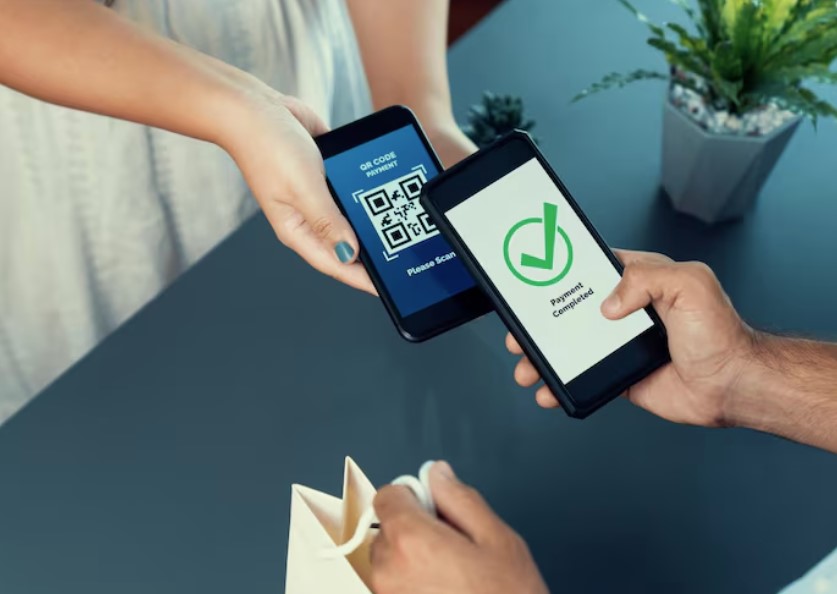
FESCO has laid out a straightforward verification procedure for consumers. Bill holders are asked to scan the QR code printed on their most recent electricity bill using a mobile phone camera, after which they must enter their national identity card number along with their registered mobile number. Once these details are submitted, a one-time password is sent via SMS, and entering this OTP completes the registration.
Officials have framed the campaign primarily as an anti-fraud measure. FESCO management said the digital verification system is meant to prevent the subsidy from being claimed by ineligible households and to ensure that relief funds reach only genuine, deserving consumers. The company noted that unauthorized or duplicate connections registered against the same identity card, along with meters incorrectly classified outside the domestic category, are among the common issues that can disqualify an applicant during the verification check.
Alongside the registration push, FESCO repeated a cybersecurity caution that has accompanied similar drives at other distribution companies this year. The spokesperson urged consumers to rely only on the QR code printed on their original, official electricity bill and warned against entering personal information, including CNIC numbers or mobile details, on any unofficial website, suspicious link or unverified third-party platform. Fraudulent pages mimicking the subsidy registration process have circulated online in recent months, prompting repeated advisories from multiple power distribution companies, including K-Electric, which has issued a similar warning to its own protected consumers through bill notices.
FESCO’s update comes as similar verification campaigns continue across the country’s electricity distribution network, with utilities citing the same rationale: tightening the cross-subsidy mechanism so that below-cost tariffs for low-usage households are not diverted through ineligible or fraudulent claims. With more than half of FESCO’s protected consumer base still unregistered, the company has signaled that continued outreach and repeated bill notices will remain part of its strategy in the coming weeks to close the verification gap before it begins affecting subsidy disbursement.
— Compiled by the Weekly PK Staff Desk.
Leave a Reply