
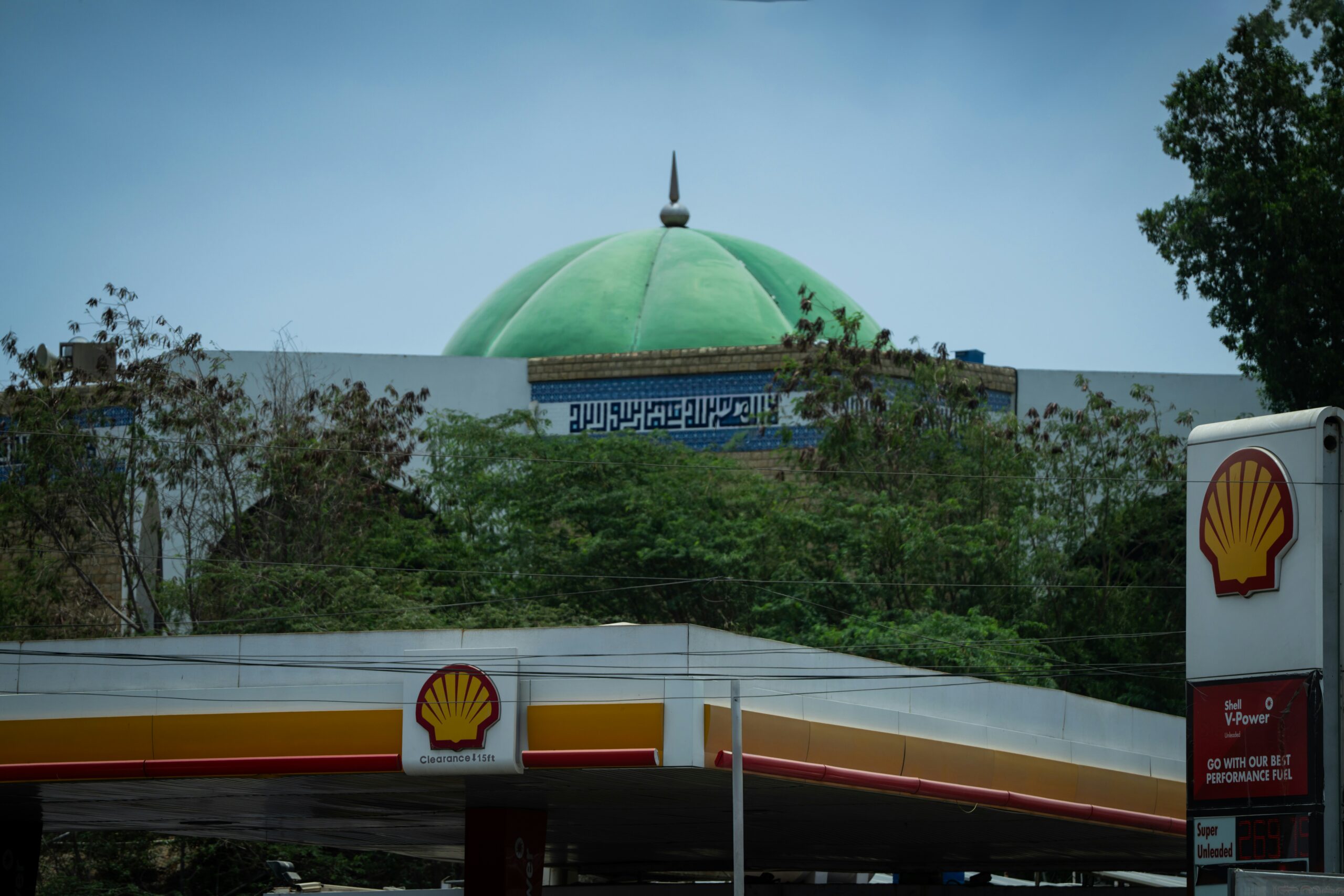
The federal government kept petrol and high-speed diesel prices unchanged for July 26 and 27, citing the non-publication of Platts prices over the weekend, a key international benchmark used to calculate local fuel rates. The decision means the price increase announced a day earlier remains in effect through the weekend without further revision.
Petrol and high-speed diesel prices had been raised on July 25 by Rs3.66 and Rs4.80 per litre respectively. Following that increase, petrol is currently priced at Rs335.18 per litre, while high-speed diesel stands at Rs383.46 per litre. The government continues to collect a total of Rs110 per litre in taxes and duties on petrol, and Rs96 per litre on diesel. The Petroleum Division’s notification confirmed that the rates set for July 25 would remain applicable for both July 26 and July 27, with no additional change over the two day period.
Current prices remain well below the peaks recorded earlier this year. Diesel had climbed as high as Rs520.35 per litre on April 3, while petrol touched Rs458.41 per litre on the same date. Both fuels have since come down considerably from those highs. The sharp rise had originated in late February, when petrol was trading at Rs266 per litre in the first week of March before climbing steadily, and diesel was priced at Rs281 per litre before the onset of the US-Iran war on February 28 triggered a rapid escalation in international oil prices.
The shift to unchanged weekend pricing follows a broader change in how fuel prices are determined in Pakistan. Petroleum Minister Ali Pervaiz Malik had earlier announced that the government would begin fixing fuel prices on a daily basis rather than through the previous weekly revision system, a move attributed to continued volatility in international oil markets stemming from renewed hostilities in the Persian Gulf region. The minister said the cabinet and the prime minister had decided to hand daily pricing decisions to the Oil and Gas Regulatory Authority, which would set rates based on prevailing international market trends.
Prior to this shift, the government had been revising fuel prices on a weekly basis since early March, a period that also saw the introduction of fuel conservation measures amid concerns over potential oil supply disruptions linked to the ongoing conflict in the Middle East. In April, the federal government separately announced targeted relief measures intended to provide subsidised fuel to specific consumer segments.
The move to daily pricing has not been welcomed by all stakeholders. The All Pakistan Dealers Association rejected the shift to daily price revisions and indicated it would consider organising a protest during the coming week in response to the change.
Petrol and diesel remain among the most closely watched commodities in Pakistan’s economy given their direct impact on household budgets and broader inflation. Petrol is used predominantly in private transport, including small vehicles, rickshaws and two-wheelers, meaning price changes are felt most directly by middle and lower-middle income households. Diesel, by contrast, plays a wider economic role, powering the heavy transport sector, power plants and large generators, which means fluctuations in its price tend to ripple through the broader economy, affecting freight costs, electricity generation and the price of goods more generally.
Both fuels also represent significant revenue sources for the government. Petrol and high-speed diesel together account for monthly sales of approximately 700,000 to 800,000 tonnes, dwarfing kerosene, which sees monthly demand of only around 10,000 tonnes. Given this scale, even small per-litre adjustments in petrol and diesel pricing carry substantial implications for both consumer spending and government tax collection.
— Compiled by the Weekly PK Staff Desk.
Leave a Reply