
Pakistan’s annual inflation slowed to 9.61% in October from 10.26% in September, according to the Pakistan Bureau of Statistics (PBS), but the figure masks a sharp monthly rise in food prices and a four-month average that has more than doubled compared with last year. The data, released on Monday, offers some relief on the direction of travel, while showing that price pressures on households remain well above where they were a year ago.
On a month-on-month basis, the Consumer Price Index (CPI) rose 1.08% in October, compared with 1.3% in September and 1.7% in October last year. Over the first four months of the current fiscal year, average inflation stood at 10.05%, against 4.79% in the same period of FY26, which means that the pace of price increases has roughly doubled. Headline inflation had been 11.1% in August, and its easing since then has been gradual rather than dramatic. In October last year, the annual rate was 6.2%, so even the lower figure is more than three percentage points higher than a year ago.
Urban and rural readings moved in the same direction but at different speeds. Urban inflation eased to 9.5% year-on-year from 10.1% in September, while rural inflation slowed to 9.8% from 10.5%. On a monthly basis, however, rural prices rose faster, by 1.49%, compared with 0.81% in urban areas, a reminder that food and transport costs weigh more heavily in villages and small towns.
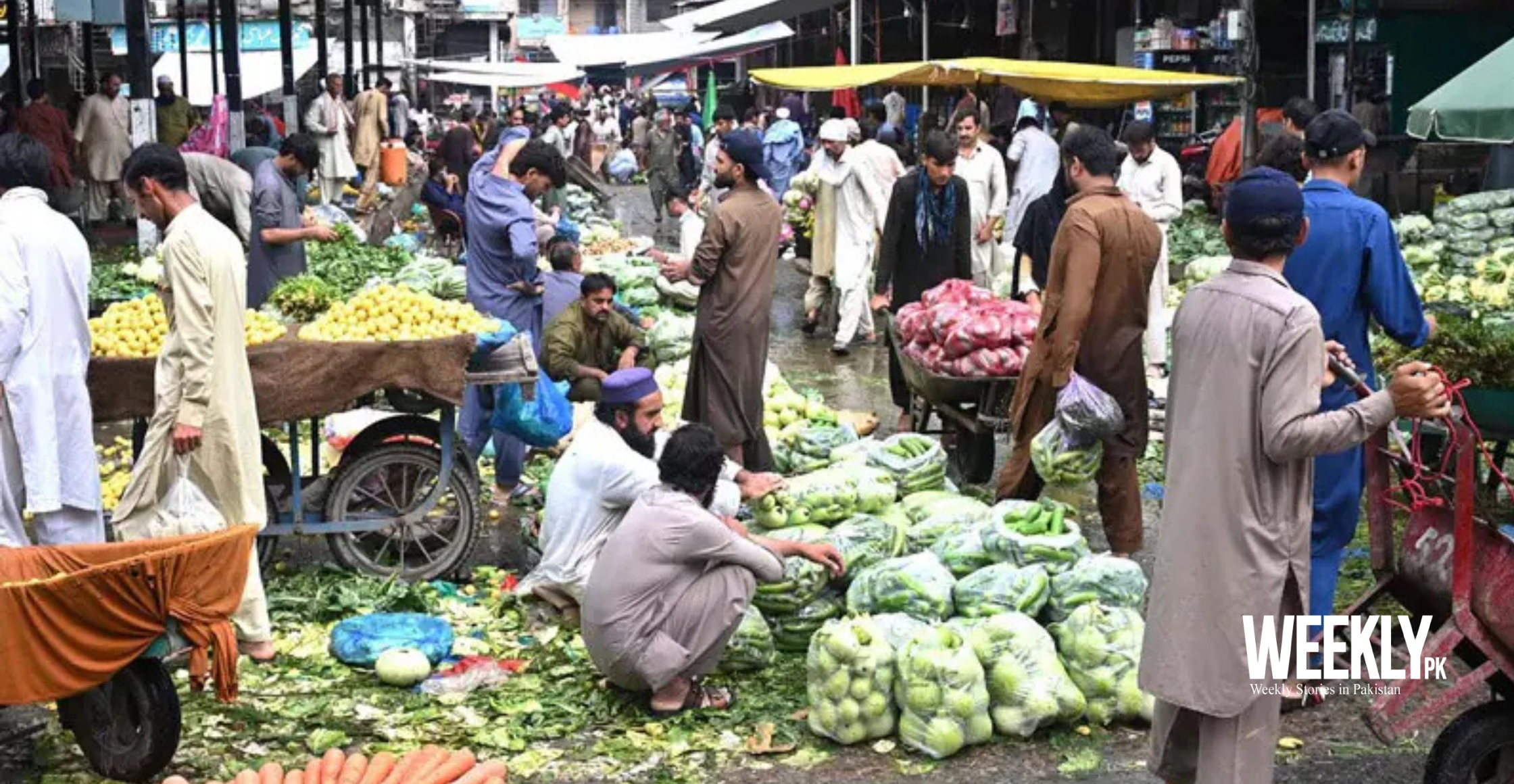
Food was the main driver of the monthly increase. The PBS data shows that food prices rose 2.26% in October compared with September. Fresh vegetables jumped 6.55%, eggs rose 5.72% and mash lentils climbed 5.54%. Transport costs increased 1.79%, while housing, electricity, gas and fuel together rose just 0.25%. Two categories offered some offset: electricity tariffs fell 3.31% and miscellaneous goods and services declined 0.71%. The pattern suggests that October’s inflation was pushed more by items households buy every week than by utilities, which fits the weekly price data from the previous month, when LPG and chicken led the increases.
The October figure came in slightly above some forecasts. A Bloomberg survey had expected 9.5%, according to ProPakistani, while Topline Securities projected 9% to 9.5% and Insight Securities 9.3%. The Finance Division’s monthly outlook, which projected a range of 9.5% to 10.5%, was closer to the mark. The surprise was modest, but it matters because analysts had hoped for a clearer easing as fuel prices fell in some weeks of October.
Core inflation, which excludes food and energy, offers a more encouraging signal. Urban core inflation slowed to 7.8% year-on-year from 8.6% in September, though it remains above the 7.5% recorded in October last year. Rural core inflation eased to 7.1% from 8.1%. A lower core rate suggests that underlying demand-driven price pressure is cooling, even if food and energy continue to push the headline higher. IndexBox, summarising the PBS data, also reported the Wholesale Price Index at 13.8% year-on-year, which indicates that price pressures are still strong further up the supply chain and could feed through to consumers.
The numbers arrive days after the State Bank of Pakistan (SBP) raised its policy rate by 50 basis points to 12%, effective from October 27, after holding it at 11.5% in September, when seven of the ten committee members voted for an unchanged rate. The central bank has said its aim is to bring inflation back to its medium-term target range of 5% to 7%. In September, it noted that inflation expectations of consumers and businesses had risen in recent surveys, and the decision to tighten appears aimed at stopping temporary energy and food shocks from becoming embedded in wages and prices. A Minute Mirror commentary argued that policymakers need to distinguish between temporary imported inflation and more permanent domestic inflation, and called for better coordination between the central bank, the finance ministry and energy regulators.
That distinction is central to what comes next. If October’s easing reflects a fading of earlier fuel price spikes, the rate hike may prove to have been a precaution rather than a necessity. If food and transport costs keep rising, as they did in October, then the central bank’s concern about second-round effects will look better founded. Topline Securities has warned that average inflation in FY27 could exceed 9% if international oil prices remain between $100 and $110 per barrel, up from its earlier forecast of 8.5% to 9%, which shows how dependent the outlook is on external energy markets.
It is also worth being careful about comparisons between different inflation measures. The weekly Sensitive Price Indicator, which tracks 51 essential items, showed annual inflation of 11.85% in late October, higher than the monthly CPI figure. The two indices cover different baskets, and the SPI places more weight on the food and fuel items that rose fastest, so the gap between them reflects what households buying basic goods are experiencing, rather than a contradiction in the data.
For consumers, the practical message is mixed. The rate of increase has slowed, but prices are still rising faster than at the same time last year, and the items that rose most in October are those that cannot easily be avoided. For policymakers, the challenge is to keep inflation moving toward the target without choking off growth, at a time when the World Bank has warned that Pakistan’s stability has not yet translated into the investment-led expansion it needs.
Whether November brings further easing or a new jump will depend on food supply, energy prices and the exchange rate, and the next test will come when PBS releases its weekly and monthly data in the coming weeks.
Compiled by the Weekly PK Business Desk.
Leave a Reply