
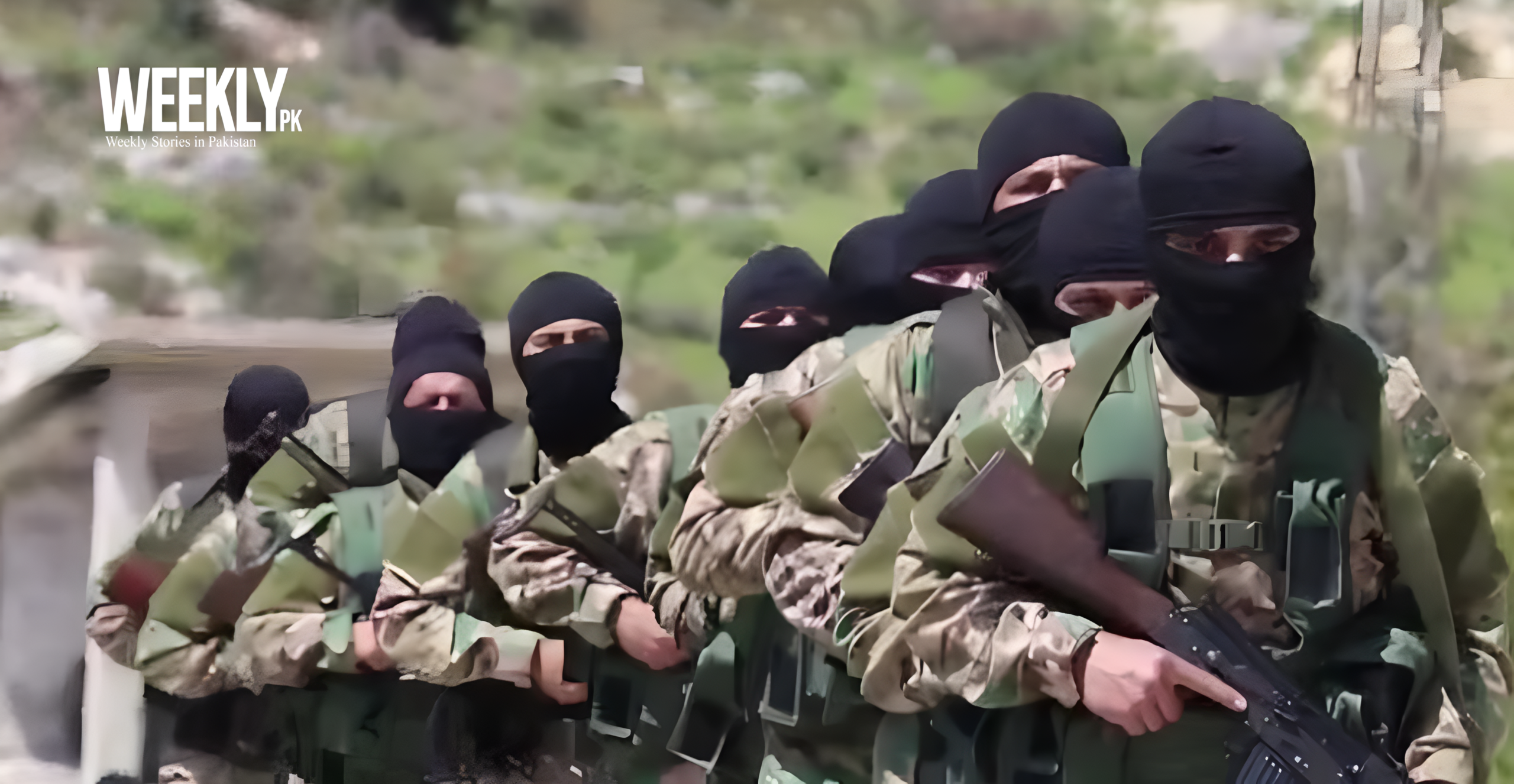
Pakistan’s security forces have prevented Islamic State Khorasan Province (ISKP) from establishing a permanent operational footprint inside the country, according to an assessment carried by the Associated Press of Pakistan (APP), which says 67 major operations over the past three to four years have left more than 50 militants dead and over 100 arrested. The report, which does not name an official source, presents the results as evidence that the group’s expansion into Pakistan has been checked, though independent data suggests the threat has not gone away.
According to the APP report, ISKP has operated from sanctuaries in Afghanistan, principally in Kunar, Nangarhar and Helmand provinces, using those eastern and southern hubs to coordinate logistics, plan infiltrations and project force into Pakistan. It says the group strengthened its ranks after the collapse of Daesh strongholds in Syria, when experienced fighters moved to Afghanistan, and that militants of the Taliban regime who could not secure salaried positions after the fall of Kabul in 2021 are moving to ISKP. The report recalls the 2017 US strike that dropped a massive ordnance air blast bomb on the group’s tunnel complex in Mamand Valley in Nangarhar’s Achin district, one of its strongholds at the time.
The account of Pakistan’s response is detailed in numbers. Beyond the 50 killed and 100 arrested, the report says one high-value target was neutralised and three others were arrested, and credits aggressive intelligence-based operations for thwarting the group’s ambitions. It says ISKP nevertheless carried out six attacks in Pakistan, which resulted in 42 deaths and 85 injuries. The notable attacks it lists include a suicide bombing at a Shia mosque in Tarlai, Islamabad, and a targeted attack on a sessions judge in Mastung, Balochistan.
The claim that the group has been contained rests on a particular definition of success: denying it a permanent base inside Pakistan, rather than eliminating the threat it poses. That distinction matters because the group’s method has been to launch occasional, high-impact attacks, often against sectarian or symbolic targets, rather than to hold territory. A group does not need a foothold to cause mass casualties, as the Tarlai bombing showed.
Independent tracking suggests a more mixed picture. Analysis published by Eurasia Review in September, citing data from the South Asia Terrorism Portal, said at least 10 incidents linked to ISKP had been recorded in Pakistan since the start of 2026, in which 44 civilians, three security personnel and one militant were killed. That compared with five incidents in the corresponding period of the previous year, which left two civilians, two security personnel and one militant dead. The same analysis noted that the Islamic State Pakistan Province, a separate but related formation, has been judged smaller than ISKP and without a clear bid for territory, but that overlapping cadres and old sectarian networks keep it capable of sowing division. The two sets of figures are not directly comparable, since they cover different periods and use different definitions of what counts as an ISKP-linked attack, but the trend in the independent data points upward in 2026 even as official accounts stress containment.
The timing of the APP report is also notable. It arrived in the same week that Pakistan’s Foreign Office rejected claims by the Afghan Taliban authorities of civilian casualties from Pakistani strikes, and accused the Taliban of sheltering militant groups, including the Tehreek-i-Taliban Pakistan and the Balochistan Liberation Army. Pakistan has long argued that Afghan territory is being used to plan attacks against it, and ISKP’s alleged base in Afghanistan fits that narrative. At an annual counterterrorism dialogue with the European Union last week, Dawn reported, Pakistan and the EU flagged security risks tied to Afghanistan, with the bloc condemning recent attacks in Pakistan and the talks covering online extremism and terror financing.
Also Read: Khyber Pakhtunkhwa Under Governor’s Rule: Two Weeks On, Where Things Stand
There is a complication, however. ISKP has also been an adversary of the Taliban in Afghanistan, a point that analysts often raise when discussing whether the two sides could cooperate against the group. Pakistan’s report suggests that Taliban-linked fighters are drifting into ISKP, which implies an overlap rather than a clean separation, but it provides no evidence for the claim in the text published so far. Whether the Taliban authorities would agree with that description is unlikely, given that they have rejected Pakistan’s broader allegations.
The diplomatic path is stalled. A Nation editorial this week noted that repeated rounds of talks between Pakistan and Afghanistan in Doha, Istanbul and more recently Urumqi have produced ceasefires but no lasting settlement, and argued that agreements rest on promises that neither side can independently verify. The same editorial noted that the border has been closed for a prolonged period since October 2025 despite continued diplomatic efforts. In that environment, claims about militant sanctuaries and counterterrorism results are likely to be repeated by both sides without a shared way to check them.
Several questions remain. How is the report defining an ISKP operation, and how many of the 67 operations targeted the group itself rather than other militant formations? What proportion of the six attacks attributed to ISKP occurred in recent months? And how does Pakistan reconcile a narrative of containment with independent data that show more incidents this year than last? Clear answers would help assess whether the strategy is working or whether the group has simply shifted its tactics.
For now, the assessment offers a confident account of a campaign that officials say has worked, and a reminder that the group’s ability to strike has not been removed. Whether the next few months bring evidence for or against containment will depend less on the number of operations than on whether the attacks stop.
Compiled by the Weekly PK National Security Desk.
Leave a Reply