
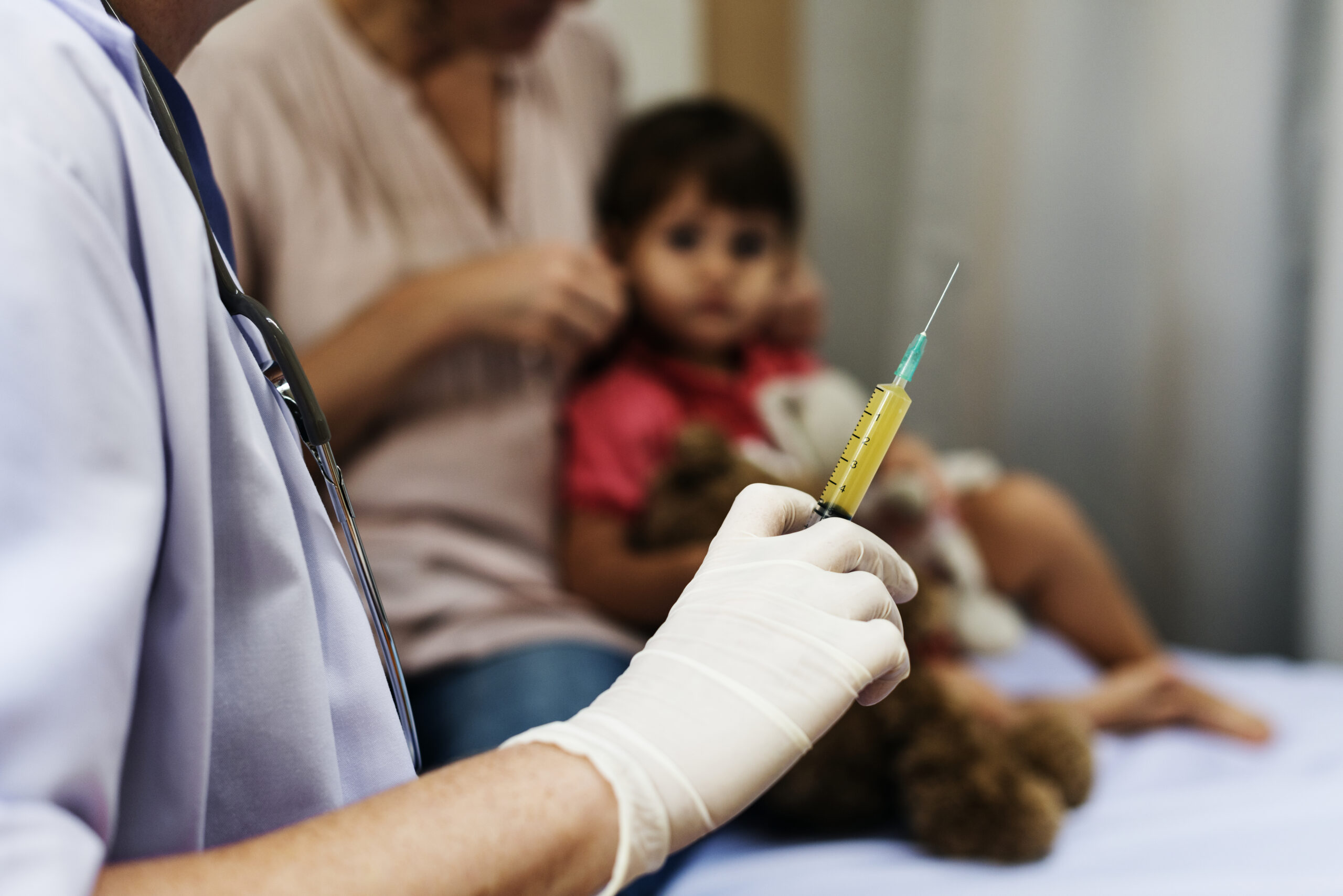
The number of children infected with HIV linked to a Karachi hospital has climbed to 94, after 16 additional cases were disclosed during a hearing before the Sindh Ombudsman on Tuesday, deepening concerns over an outbreak that has been under investigation since late last year. The fresh figures were presented at the Kulsoom Bai Valika Hospital hearing, where officials confirmed that the provincial government had previously acknowledged 78 infected children before the new cases pushed the total higher.
The hospital, run by the Sindh Employees Social Security Institution, has been at the centre of scrutiny since the first cluster of infections surfaced, with investigators examining whether reused or contaminated syringes were responsible for transmission among young patients. The Sindh Ombudsman, who has been overseeing the matter, has previously ordered the creation of a dedicated isolation ward, a full inquiry into hospital practices, and a third party audit of operations, alongside government funded treatment for every affected child.
Tuesday’s hearing was attended by senior officials including the provincial labour secretary and the institution’s commissioner, reflecting the level of government attention the case continues to draw months after it first emerged. Officials reiterated assurances that all confirmed cases would receive ongoing care, though the steady rise in numbers, from an initial cluster to the current tally, has kept pressure on authorities to explain how the outbreak was allowed to grow before it was contained.
For Karachi families, particularly those in the hospital’s service area, the case has become a source of real anxiety about the safety of public health facilities more broadly. Parents of affected children have previously described a painful process of watching a child’s condition deteriorate before testing confirmed an HIV diagnosis, only to learn later that the source of infection may lie with the very facility meant to treat them. The province has set aside a dedicated endowment fund running into billions of rupees to support long term treatment and welfare for the children involved, alongside disciplinary action against dozens of hospital staff.
Public health experts have pointed to episodes like this as evidence of gaps in infection control and syringe handling protocols at some government run facilities, gaps that can have consequences reaching far beyond a single hospital once a preventable transmission chain begins. For a city the size of Karachi, where large numbers of families rely on government and semi government hospitals for affordable care, restoring public confidence in basic safety practices is likely to take sustained follow through rather than a single audit or funding announcement.
The Ombudsman’s office has signalled that oversight of the case will continue, with further hearings expected as the audit and inquiry proceed. Whether the tally has now stabilised or will continue rising as more children are screened remains an open question, one that will likely shape how the case is discussed in the city for months to come.
Weekly PK will continue to follow developments in this case as further hearings and findings are made public.
— Compiled by the Weekly PK Staff Desk
Leave a Reply