
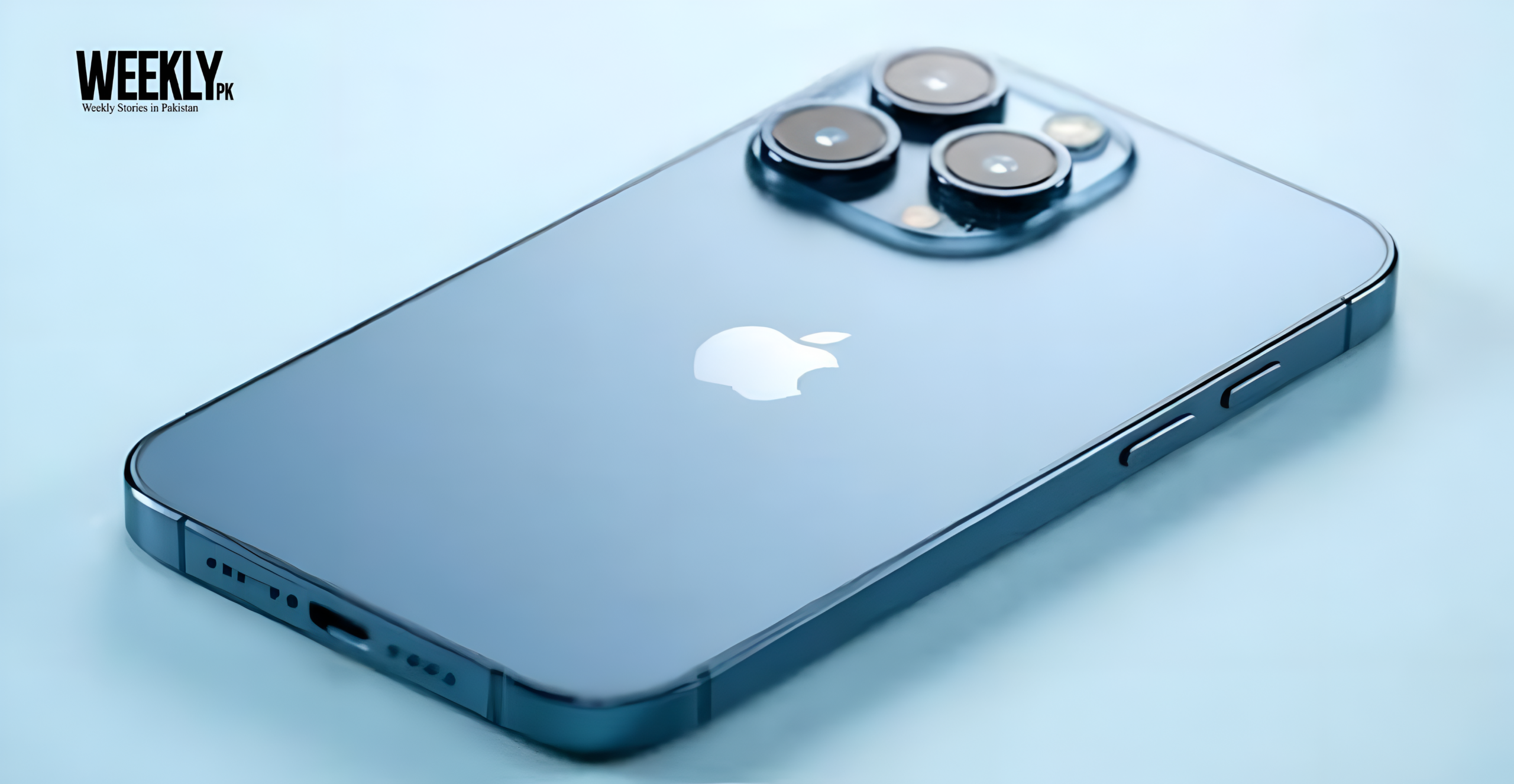
Apple’s next flagship is shaping up to be a phone that looks familiar from across the room but works differently once you actually live with it. Early reporting on the iPhone 18 Pro Max points to a device built around battery life, chip efficiency and camera flexibility rather than a fresh design language, and that combination is putting buyers in an unusually difficult spot this year.
The complication is not whether the iPhone 18 Pro Max is a decent phone. Most signs suggest it will be. The complication is that Apple is also rumoured to be preparing a far more ambitious overhaul for 2027, timed to the iPhone’s 20th anniversary, and that possibility is enough to make some buyers want to sit this generation out entirely.
None of the details below are confirmed by Apple. They come from ongoing supply-chain and industry reporting, and Apple’s actual announcement could differ in meaningful ways. Still, enough of a pattern has emerged to make a buy-or-wait decision worth working through now.
The case for buying: battery life may be the real headline
The most persuasive reason to consider the iPhone 18 Pro Max has little to do with how it looks. Current reporting suggests its battery could be around 10 percent larger than the one in last year’s Pro Max, and that on its own would be a meaningful gain for anyone who runs their phone hard through a full day of navigation, photography, video calls or heavy data use.
What makes the battery story more interesting is that it isn’t happening in isolation. Apple is expected to pair the larger cell with a new A20 Pro chip built on a 2-nanometre manufacturing process, along with its own C2 cellular modem replacing Qualcomm hardware in more of the lineup. Both of those components are associated with efficiency gains rather than raw speed alone, which means the practical benefit for owners may show up less as faster app launches and more as a phone that simply lasts longer between charges.
That combination, a bigger battery paired with components designed to draw less power, is the kind of upgrade that tends to matter more after the first few weeks of ownership than in a five-minute hands-on at launch. It rewards people who actually use their phones hard, rather than people comparing spec sheets in a store.
A chip upgrade that goes beyond benchmarks
The A20 Pro is reportedly Apple’s first iPhone processor manufactured on a 2nm node, using a packaging approach known as Wafer-Level Multi-Chip Module. In plain terms, that’s expected to translate into better performance and efficiency compared with the current A19 Pro generation, along with stronger handling of on-device AI tasks.
The more relevant point for everyday buyers is what a more efficient chip does when it’s sitting next to a larger battery. If the new manufacturing process cuts down on power draw at the same time the battery itself grows, the two changes reinforce each other. The result, at least on paper, is a phone that can plausibly deliver a noticeably longer runtime than the outgoing Pro Max, even before accounting for the modem.
That modem, the C2, continues Apple’s shift away from third-party cellular hardware. Reporting again points to efficiency as the main selling point rather than any dramatic change in network speed, which fits the broader theme running through this entire upgrade: less about doing new things, more about doing existing things without draining the battery as quickly.
Where photographers get an actual reason to upgrade
If there’s one area where the iPhone 18 Pro Max looks like more than a refinement, it’s the camera system. The Pro model is expected to introduce a variable-aperture main camera, giving photographers direct control over depth of field rather than relying purely on computational tricks to simulate it. A wider-aperture telephoto lens and additional Pro-oriented features in the Camera app are also part of the reporting.
Variable aperture matters because it changes what the camera can physically do, not just how it processes an image afterward. A narrower aperture can throw a background out of focus to isolate a subject; a wider one can keep more of a scene sharp when the whole frame needs to stay legible. That’s a genuinely different capability from most recent iPhone camera upgrades, which have mostly layered new software processing onto the same hardware.
Camera Control, the physical control introduced on recent iPhones, is also expected to change, but in the direction of simplicity. Reports suggest Apple may strip out touch-sensitive elements and trim the feature’s functionality to make it easier to use rather than adding more to it. It’s a minor detail on paper, but a control that’s simpler to operate correctly can matter more day-to-day than one with more features nobody remembers how to use.
The design: cleaner, not reinvented
Buyers hoping for a dramatically different-looking iPhone are likely to be disappointed by the 18 Pro Max. The overall size and shape are expected to stay close to the current generation, with the changes limited to a smaller Dynamic Island, a more unified rear panel, and new colour options, including a rumoured deep red shade sometimes referred to as Dark Cherry or Burgundy.
The smaller Dynamic Island is reportedly possible because some Face ID components are being relocated beneath the display itself. It’s a genuine engineering improvement, but visually it reads as polish rather than a reset. And that’s really the crux of the entire buying decision.
Why some buyers should wait for 2027 instead
The iPhone 18 Pro Max isn’t just being weighed against last year’s model. For buyers willing to hold off, it’s effectively competing against what Apple may release the following year to mark the iPhone’s 20th anniversary, and that rumoured device sounds considerably more ambitious.
Reports describe a display that curves around all four edges with sharply reduced bezels, along with solid-state controls built into the sides of the phone rather than physical buttons. The screen itself is expected to be thinner, brighter and more efficient, and Apple is said to be working toward placing Face ID and the front camera fully beneath the display, though the same reporting notes technical hurdles could force a smaller Dynamic Island instead if that doesn’t pan out.
Battery ambitions for the 2027 model go further too, with some reports pointing to capacity as high as 6,000 mAh, potential use of silicon-anode battery technology, and reverse wireless charging for compatible accessories. A custom image sensor using LOFIC technology has also come up in reporting, aimed at improving high-dynamic-range photography and preserving detail in tricky highlights and shadows.
On the processing side, the anniversary model has been linked to a new A21 Pro chip and Mobile High Bandwidth Memory, which would speed up communication between the chip and memory for demanding on-device AI tasks.
Set against that, the iPhone 18 Pro Max’s improvements look far more incremental. That doesn’t make them unimportant, but it does clarify the trade-off: the 2026 phone is a safer, more concrete upgrade; the 2027 phone is a bigger swing that comes with the usual risk that rumoured features don’t survive contact with Apple’s actual engineering constraints.
So, buy now or wait?
The decision mostly comes down to what kind of upgrade matters more to you right now.
Buying the iPhone 18 Pro Max makes sense if your current phone is starting to show its age, if battery anxiety is a daily annoyance, if the camera upgrades genuinely appeal to how you shoot, or if you simply want to be on Apple’s first 2nm chip generation. A meaningfully larger battery paired with a more efficient processor and modem is not a flashy pitch, but it’s a real one, especially for anyone who has outgrown their current phone’s battery life.
Waiting makes more sense if your existing Pro or Pro Max still performs well and what you’re actually after is a phone that looks and feels different, not just faster or longer-lasting. If the appeal of a curved, near-bezel-less display and a substantially larger battery in 2027 outweighs another year on your current device, skipping this generation is a reasonable call.
There’s also a pricing consideration worth flagging. Some reporting suggests the 2027 anniversary iPhone may stay within Apple’s existing Pro pricing tier rather than launching as an entirely new ultra-premium category, which would remove one potential reason to worry that waiting means paying dramatically more later. That’s not guaranteed, but it does suggest the wait may not come with as steep a price penalty as some assume.
The bottom line
The iPhone 18 Pro Max doesn’t look like a weak generation. If the reporting holds up, the roughly 10 percent larger battery alone could make it one of the more genuinely useful Pro Max updates in recent years, arriving at almost exactly the moment Apple is said to be preparing something far more ambitious for the year after.
That’s what makes 2026 less of a straightforward upgrade cycle and more of a genuine choice: a safer, more concrete improvement now, or a bigger bet on reinvention twelve months from now.
Leave a Reply