
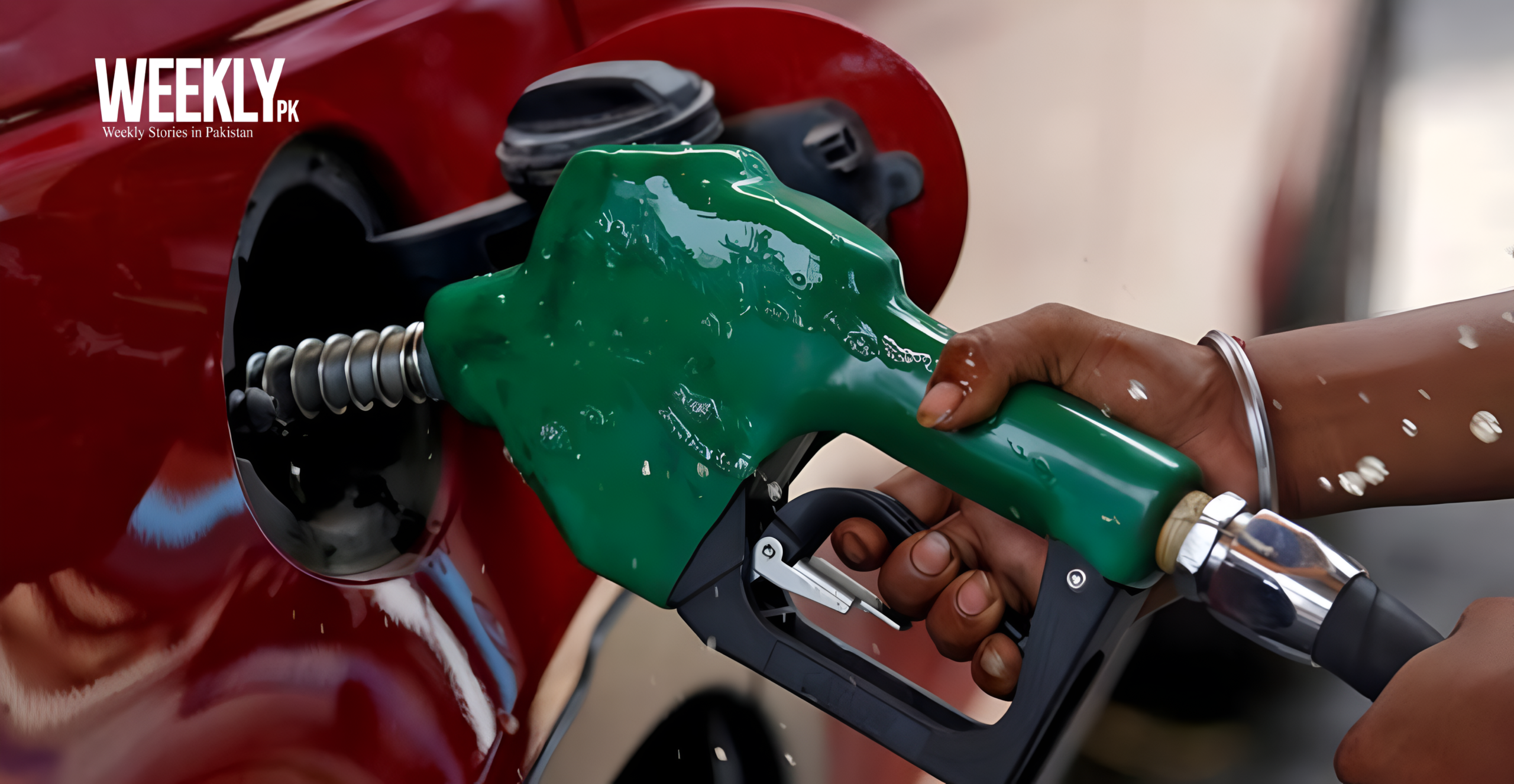
The government has cut petrol and diesel prices for the third consecutive day, bringing petrol down to Rs362.00 per litre and high-speed diesel to Rs387.81 per litre from November 5. Taken together, the three revisions have taken Rs15.91 off the price of petrol and Rs15.15 off diesel since the start of the week, the sharpest run of reductions in recent weeks.
The latest cut reduces petrol by Rs7.06 from Rs369.06 and diesel by Rs3.71 from Rs391.52, according to a notification from the Petroleum Division and a press release from the Oil and Gas Regulatory Authority (OGRA). OGRA said the revision was made under the petroleum pricing mechanism approved by the federal government. It follows a cut of Rs5.45 for petrol and Rs3.68 for diesel on Tuesday, and an earlier reduction of Rs3.40 for petrol and Rs7.76 for diesel on Monday night, which had followed an increase in the diesel price to Rs402.96 on Friday. Some outlets have described Thursday’s reduction as the second consecutive cut, counting from Tuesday, but the Monday announcement of November 3 pricing makes it the third in a row. Business Recorder attributed the reductions to falling global oil prices influenced by geopolitical events.
The mechanism behind the changes matters. On July 17, the government replaced weekly pricing with a daily system, as renewed tensions between the United States and Iran continued to drive volatility in global oil markets. OGRA has told parliamentary committees that prices are determined from a seven-day rolling average of international petrol and diesel prices, so a fall in global rates is passed on gradually over a week, and an increase is passed on in the same way. The petroleum minister has said domestic prices follow refined product prices, not crude oil alone. Dunya News reported that OGRA has also begun publishing daily petroleum prices on its website to improve transparency and make sure fluctuations are passed on to consumers more quickly.
The size of the relief should be kept in perspective. Over three days, petrol has fallen about 4.2% and diesel about 3.8%, which is meaningful but leaves both fuels at levels that remain high by historical standards. Petrol had been Rs398.96 on October 9, so it is now about Rs37 lower than at that point, after a series of increases and decreases in between. Diesel, which is widely used by public transport, goods carriers and agricultural machinery, is still close to Rs388 per litre.
The effect on inflation will depend on how much of the saving reaches consumers. Annual inflation eased to 9.61% in October, but food prices rose 2.26% in a month, and lower diesel prices can help moderate transport and freight costs if operators pass the reduction on. Experience suggests that fares and freight rates tend to rise quickly when fuel prices increase and fall more slowly when they decline. The State Bank of Pakistan has raised its policy rate to 12% to contain inflation, and a sustained fall in fuel prices would support its objective, although a single week of cuts is not enough to establish a trend.
Also Read: Petrol Falls Rs3.40 to Rs374.51 and Diesel Rs7.76 to Rs395.20 as Refineries Share the Cost
The cuts also bear on the political debate about the petroleum levy. Nothing in the notifications reviewed suggests that the levy has been reduced, and the fall appears to reflect lower international prices passing through the pricing formula. Petroleum Minister Ali Pervaiz Malik told parliamentary committees in July that the IMF was unlikely to approve a reduction in the levy unless the government identified an alternative source of revenue, and on October 8 he told a National Assembly committee that levy targets set in the budget could not be changed without consulting multilateral partners. Those remarks date from before this week’s price falls, but they remain the government’s position, and they are central to Jamaat-e-Islami’s campaign, which has argued that the levy should be abolished regardless of global price movements.
Questions remain about how long the decline will last. Because prices follow international markets with a lag, a rebound in global oil prices could reverse the cuts within days, as the sharp increases of late October showed. The pricing system also leaves consumers and businesses with limited ability to plan, since the price can change every day, a concern raised by lawmakers in July who said the public could not know what fuel would cost the next day. Whether daily publication on OGRA’s website is enough to address that concern is unclear.
For now, motorists, transporters and farmers have some relief. The three cuts have brought fuel prices down from their recent peak, and the government has said the pricing mechanism is transparent. Whether consumers feel the difference in the prices of food, fares and freight will become clear in the next set of inflation data.
Compiled by the Weekly PK Business Desk.
Leave a Reply